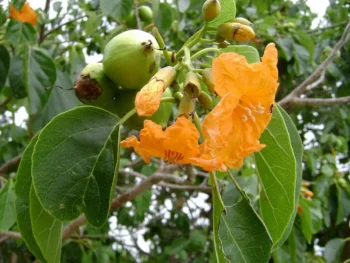
Kou Tree: A Tropical Beauty for Warm Climate Gardens
If you’re looking for a fast-growing tropical tree with stunning orange blooms, the kou tree (Cordia subcordata) might just catch your eye. This perennial beauty has been making itself at home in warm Pacific climates, bringing a splash of color and shade to gardens across tropical regions.
What Is the Kou Tree?
The kou tree, also known simply as kou, is a medium-sized tropical tree that can reach up to 25 feet tall at maturity, with some specimens growing as tall as 35 feet after 20 years. Thanks to its rapid growth rate, you won’t be waiting decades to enjoy its shade! This single-crowned tree maintains an erect, elegant form that makes it a standout in any landscape.
Where Does Kou Grow Naturally?
Originally native to the Pacific Basin (excluding Hawaii), the kou tree has established itself across several Pacific locations including Hawaii, Guam, Palau, and various U.S. Minor Outlying Islands. In Hawaii specifically, it’s considered a non-native species that reproduces naturally in the wild.
- Species observed
- No observations
Why Consider Growing Kou?
There are several compelling reasons why gardeners in tropical zones might want to add a kou tree to their landscape:
- Spectacular flowers: Bright orange blooms during summer months create a stunning focal point
- Fast results: Rapid growth means you’ll enjoy mature tree benefits sooner rather than later
- Year-round interest: Dense green foliage provides consistent coverage, with conspicuous fall color adding seasonal appeal
- Pollinator support: Those eye-catching orange flowers attract beneficial pollinators during blooming season
- Coastal tolerance: Medium salt tolerance makes it suitable for seaside gardens
Garden Design and Landscape Role
The kou tree works beautifully as a specimen tree, providing shade and visual interest in tropical and subtropical landscapes. Its dense foliage and single-crown growth form make it ideal for:
- Coastal gardens and beachfront properties
- Tropical landscape designs
- Shade gardens (it’s quite shade tolerant itself)
- Areas where you need relatively quick-establishing tree cover
Growing Conditions and Care
Kou trees are surprisingly adaptable, but they do have some preferences. Here’s what you need to know:
Climate Requirements:
- USDA hardiness zones 10-12 (needs frost-free conditions year-round)
- Minimum temperature tolerance of 40°F
- Thrives in areas receiving 25-45 inches of annual precipitation
Soil and Site Conditions:
- pH range: 5.5 to 8.0 (quite adaptable!)
- Medium drought tolerance once established
- Facultative upland plant – usually prefers non-wetland areas but can handle some moisture
- Shade tolerant, though full sun promotes best flowering
- Needs at least 24 inches of root depth
Planting and Propagation Tips
Growing kou from seed is your best bet, as this tree doesn’t typically propagate well from cuttings or other methods. Here are some helpful tips:
- Seeds are available year-round (approximately 4,800 seeds per pound)
- No cold stratification required – tropical seeds are ready to go!
- Plant spacing: 320-640 trees per acre for larger installations
- Provide regular water during establishment, then rely on its moderate drought tolerance
- Expect rapid growth, so plan for the tree’s mature size from the start
Things to Consider
While kou trees offer many benefits, there are a few considerations to keep in mind:
- This is a non-native species in Hawaii and some other locations where it’s commonly grown
- It has a relatively short lifespan compared to many native trees
- The tree doesn’t resprout if damaged, so protection from strong winds or damage is important
- Seeds don’t persist long-term, so natural regeneration relies on continuous seed production
Native Alternatives Worth Considering
If you’re gardening in Hawaii or other Pacific locations where kou is non-native, you might also want to explore native tree options that provide similar benefits while supporting local ecosystems. Consider researching native trees that offer comparable shade, flowering beauty, or rapid growth characteristics specific to your region.
The Bottom Line
The kou tree can be a wonderful addition to tropical gardens, especially if you’re looking for quick-growing shade with spectacular seasonal flowers. Its adaptability to various soil conditions and moderate drought tolerance make it relatively low-maintenance once established. Just remember to plan for its mature size and consider how it fits into your local ecosystem. Whether you choose kou or explore native alternatives, the key is selecting trees that will thrive in your specific growing conditions while contributing to a beautiful, functional landscape.