Krauss’ Spikemoss: The Tiny Ancient Plant That’s Not Actually Moss
Meet Krauss’ spikemoss (Selaginella kraussiana), a fascinating little plant that’s been fooling gardeners for years. Despite its common name, this isn’t actually a moss at all – it’s a spikemoss, which belongs to an ancient group of plants called lycopods that have been around since before dinosaurs roamed the Earth!
What Exactly Is Krauss’ Spikemoss?
Also known as spreading selaginella, Krauss’ spikemoss is a perennial forb that looks remarkably like moss but operates quite differently. While true mosses reproduce through simple spores, spikemosses like this one have a more complex reproductive system and are actually more closely related to ferns than to mosses. Think of it as nature’s little time traveler – a living link to prehistoric plant life!
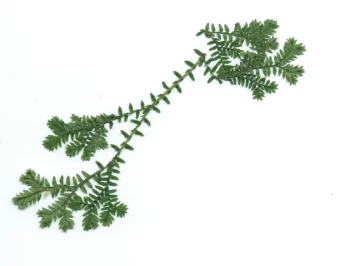
This diminutive plant forms dense, carpet-like mats of bright green, scale-like leaves that create an almost ethereal appearance in the garden. Each tiny leaf is actually a microphyll, and the plant spreads by creeping stems that root as they go.
Where You’ll Find It
Originally hailing from Africa and the Azores, Krauss’ spikemoss has made itself at home in several U.S. states, including Alabama, California, Georgia, Hawaii, North Carolina, South Carolina, and Virginia. It’s what botanists call a non-native species that has naturalized – meaning it reproduces on its own in the wild without human intervention.
- Species observed
- No observations
Is It Good for Your Garden?
Here’s where things get interesting! Krauss’ spikemoss can be both a blessing and a bit of a puzzle for gardeners:
The Benefits
- Creates a lush, green carpet in shady, moist areas where other plants struggle
- Adds textural interest with its delicate, fern-like appearance
- Excellent for terrariums and indoor plant displays
- Helps prevent soil erosion on slopes and in moisture-prone areas
- Requires minimal maintenance once established
The Considerations
- Can spread aggressively in ideal conditions
- May outcompete native ground covers
- Sensitive to drought and direct sunlight
- Not particularly beneficial to pollinators since it doesn’t flower
How to Identify Krauss’ Spikemoss
Spotting this little character is easier than you might think:
- Forms low, dense mats rarely exceeding 2-3 inches in height
- Bright to medium green color that stays vibrant year-round in mild climates
- Tiny, scale-like leaves arranged in overlapping patterns along creeping stems
- Spreads horizontally rather than growing upward
- Often found in consistently moist, shaded areas
- Has a delicate, almost feathery texture when touched
Where It Thrives
Krauss’ spikemoss has earned a Facultative Wetland status across all regions where it’s found, meaning it usually prefers wetland conditions but can tolerate some drier spots. You’ll typically find it flourishing in:
- Shaded woodland gardens
- Rock gardens with consistent moisture
- Along stream banks and pond edges
- Under trees and large shrubs
- In terrariums and indoor plant collections
Should You Invite It Into Your Garden?
If you’re in USDA zones 9-11 and have a consistently moist, shaded area that needs coverage, Krauss’ spikemoss might be worth considering. It’s particularly useful for challenging spots where traditional ground covers fail. However, since it’s not native, you might want to explore native alternatives first, such as native sedges, wild ginger, or other indigenous ground covers that provide similar benefits while supporting local ecosystems.
If you do choose to grow it, keep in mind that this little plant can be quite the escape artist – monitor its spread and be prepared to manage it if it gets too enthusiastic about claiming territory!
The Bottom Line
Krauss’ spikemoss is a fascinating glimpse into plant evolution that can serve as an attractive ground cover in the right conditions. While it may not feed pollinators or provide significant wildlife benefits, it offers unique beauty and can solve coverage problems in challenging garden spots. Just remember – with great spikemoss comes great responsibility to keep it from overwhelming your native plant friends!