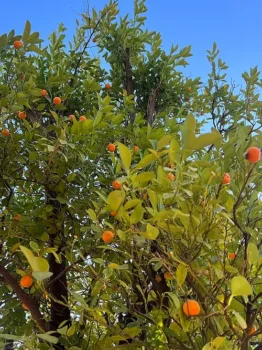
Kumquat (Fortunella): A Sweet and Sour Addition to Your Garden
If you’ve ever wondered about growing your own tiny citrus treasures, the kumquat might just be the perfect candidate for your garden. These charming little fruits pack a punch of flavor and bring a unique twist to edible landscaping. But before you rush to plant one, let’s dive into what makes kumquats special and whether they’re right for your garden space.
What Exactly Is a Kumquat?
Kumquats belong to the genus Fortunella and are delightfully quirky members of the citrus family. Unlike their larger citrus cousins, these perennial shrubs produce small, oval fruits that you can eat whole – peel and all! The botanical name might sound formal, but these plants are surprisingly approachable for home gardeners.
As multi-stemmed woody shrubs, kumquats typically stay under 13-16 feet tall, making them much more manageable than full-sized citrus trees. They’re essentially the fun-size version of citrus – perfect for smaller spaces and container growing.
Native Status and Geographic Distribution
Here’s where things get interesting: while kumquats aren’t native to the United States, they’ve established themselves in certain areas. Currently, you’ll find them growing in California and Puerto Rico, where they’ve naturalized and can reproduce on their own in the wild. This non-native status means they’re immigrants to our landscapes, but they’ve proven they can thrive in specific American climates.
- Species observed
- No observations
Why Consider Growing Kumquats?
Kumquats offer several appealing qualities for gardeners:
- Unique edible experience: The sweet peel combined with tart flesh creates a flavor explosion
- Manageable size: Perfect for smaller gardens or container growing
- Ornamental value: Attractive evergreen foliage and fragrant white flowers
- Conversation starter: Not everyone grows their own kumquats!
Growing Conditions and Care
Based on their successful establishment in California and Puerto Rico, kumquats prefer warm climates and are likely suited for USDA hardiness zones 9-11. They’ll need:
- Full sun exposure for best fruit production
- Well-draining soil to prevent root rot
- Regular watering, especially during fruit development
- Protection from strong winds and frost
Like most citrus, kumquats benefit from regular fertilizing during the growing season and appreciate good air circulation around their branches.
Garden Design and Landscape Role
Kumquats work beautifully in edible landscaping designs, where ornamental and productive plants share space harmoniously. They’re excellent choices for:
- Container gardens on patios or decks
- Small space gardens where every plant needs to earn its keep
- Mediterranean or subtropical garden themes
- Areas where you want year-round greenery with seasonal interest
Wildlife and Pollinator Benefits
While specific data about kumquats’ wildlife benefits isn’t well-documented, citrus flowers typically attract bees and other pollinators with their fragrant blooms. The fruits may also provide food for birds, though you might find yourself competing with feathered friends for the harvest!
A Word About Native Alternatives
Since kumquats aren’t native to most of the United States, consider these native alternatives that might provide similar benefits:
- American persimmon (Diospyros virginiana) for sweet, edible fruits
- Elderberry (Sambucus canadensis) for edible berries and wildlife value
- Native viburnums for ornamental value and wildlife benefits
These natives will better support local ecosystems while still providing edible or ornamental value to your garden.
The Bottom Line on Kumquats
Kumquats occupy an interesting middle ground – they’re not native, but they’re also not considered invasive or problematic. If you’re drawn to their unique fruits and ornamental qualities, and you live in a suitable climate, they can make a delightful addition to your garden. Just remember to balance non-native choices with plenty of native plants that support local wildlife and ecosystems.
Whether you choose kumquats or native alternatives, the key is creating a garden that brings you joy while being mindful of your local environment. Sometimes the most rewarding gardens are those that blend the familiar with the unexpected – and kumquats certainly fall into that delightfully unexpected category.