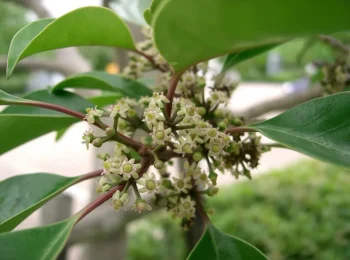
Kurogane Holly: A Striking Evergreen Tree for Southern Gardens
If you’re looking for an evergreen tree that brings year-round beauty to your landscape, you might have come across the Kurogane holly (Ilex rotunda). This handsome tree has been making its way into American gardens, particularly in the Southeast, where its glossy leaves and bright berries create quite the visual impact.
What is Kurogane Holly?
Kurogane holly is a perennial evergreen tree that typically grows 13-16 feet tall, though it can reach greater heights under ideal conditions. With its single trunk and rounded crown, it creates an impressive specimen that looks good in any season. The tree’s most striking features are its glossy, dark green leathery leaves and the brilliant red berries that appear on female plants during fall and winter.
Where Does It Come From?
Here’s where things get interesting: Kurogane holly isn’t actually native to the United States. This tree originally hails from Japan, Korea, China, and Taiwan. However, it has established itself as a non-native species that can reproduce and persist in the wild, particularly in Georgia where it’s been documented growing spontaneously.
- Species observed
- No observations
Should You Plant Kurogane Holly?
This is where gardeners need to think carefully. While Kurogane holly is undeniably beautiful and can be a striking addition to landscapes, it’s important to consider its non-native status. Since it can reproduce and spread on its own, there’s always the question of how it might interact with local ecosystems over time.
If you’re drawn to the holly look, consider these native alternatives that provide similar benefits:
- American holly (Ilex opaca) – offers similar evergreen structure and red berries
- Yaupon holly (Ilex vomitoria) – smaller native holly with excellent wildlife value
- Dahoon holly (Ilex cassine) – thrives in wetter conditions
Growing Conditions and Care
If you do decide to plant Kurogane holly, here’s what it needs to thrive:
Climate: This tree performs best in USDA hardiness zones 7-9, with some success possible in protected areas of zone 6.
Soil and Sun: Kurogane holly adapts to various soil types but prefers well-drained, slightly acidic conditions. It’s flexible about light, growing well in partial shade to full sun.
Water Needs: Young trees need regular watering to establish their root systems, but mature Kurogane hollies become quite drought tolerant.
Planting and Maintenance Tips
Here’s the scoop on keeping your Kurogane holly happy:
- Plant in spring or fall for best establishment
- Water regularly during the first growing season
- Mulch around the base to retain moisture and suppress weeds
- Minimal pruning needed – just remove dead or damaged branches
- Remember that you’ll need both male and female plants if you want those gorgeous red berries
Wildlife and Pollinator Benefits
Kurogane holly does offer some ecological value. The small spring flowers provide nectar for bees and other pollinators, while the berries can feed birds during fall and winter months. However, native holly species typically provide better support for local wildlife, as they’ve co-evolved with regional ecosystems.
The Bottom Line
Kurogane holly is an attractive, relatively low-maintenance evergreen tree that can add structure and seasonal interest to larger landscapes. Its glossy foliage and bright berries make it a standout specimen. However, given its non-native status and ability to naturalize, thoughtful gardeners might want to consider native holly alternatives that provide similar beauty while supporting local ecosystems. Whatever you choose, make sure you have the space for a tree that can grow quite large and the patience to wait for those stunning berries to develop!