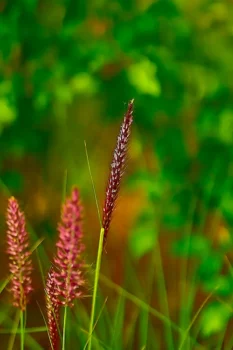
Kyasuma Grass: A Noxious Weed You Should Avoid in Your Garden
If you’ve heard of Kyasuma grass (Pennisetum pedicellatum) and are considering it for your landscape, it’s time to pump the brakes. This annual grass might sound exotic and interesting, but there are some serious red flags that every responsible gardener should know about.
What is Kyasuma Grass?
Kyasuma grass is an annual grass species that belongs to the large family of grasses and grass-like plants. As its scientific name Pennisetum pedicellatum suggests, it’s related to other fountain grasses, but this particular species has earned itself quite the troublesome reputation.
The Big Red Flag: It’s a Noxious Weed
Here’s where things get serious – Kyasuma grass is officially classified as a noxious weed in the United States. This isn’t just a casual weedy label; noxious weeds are plants that have been legally designated as harmful to agriculture, natural ecosystems, or human health. When a plant gets this designation, it means it can cause real environmental damage.
Not a Native Friend
Kyasuma grass is not native to the lower 48 states. It’s what botanists call an introduced species that has managed to establish itself and reproduce in the wild without any human help. This ability to spread aggressively in non-native environments is exactly why it’s become such a concern.
Where You’ll Find It
Currently, Kyasuma grass has been documented growing in Florida. While its distribution may seem limited now, noxious weeds have a sneaky way of expanding their territory when we’re not paying attention.
- Species observed
- No observations
Why You Shouldn’t Plant It
Even if you could find Kyasuma grass at a nursery (which would be highly unusual given its noxious status), here are compelling reasons to steer clear:
- It’s legally designated as harmful to ecosystems
- It can escape cultivation and invade natural areas
- It may outcompete beneficial native plants
- You could inadvertently contribute to its spread
- There may be legal restrictions on growing or transporting it
Better Native Alternatives
Instead of risking ecological damage with Kyasuma grass, consider these beautiful native alternatives that will support local wildlife and ecosystems:
- Native bunch grasses specific to your region
- Indigenous sedges that provide similar texture
- Local prairie grasses that birds and beneficial insects love
- Native ornamental grasses that offer year-round interest
The Bottom Line
When it comes to Kyasuma grass, the advice is crystal clear: don’t plant it. Its noxious weed status exists for good reasons, and responsible gardeners should respect these designations. Our gardens can be beautiful and environmentally friendly without introducing problematic species.
Instead, embrace native plants that will create stunning landscapes while supporting local ecosystems. Your garden – and your local environment – will thank you for making the responsible choice.