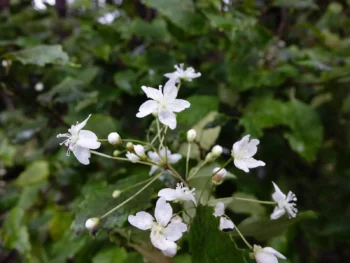
Lacebark Tree: A Beautiful Non-Native Addition to Your Garden
If you’re looking for a stunning flowering tree that brings elegance and fragrance to your landscape, you might want to consider the lacebark tree (Hoheria populnea). This charming perennial tree offers beautiful blooms and interesting bark texture, though it’s worth understanding its origins and characteristics before adding it to your garden.
What is Lacebark?
Lacebark, scientifically known as Hoheria populnea, is a non-native tree species that has found its way into American gardens. Originally from New Zealand, this introduced species has established itself in parts of California, where it reproduces naturally in the wild. As a perennial woody plant, lacebark typically grows as a single-trunked tree reaching heights greater than 13-16 feet, though environmental conditions can sometimes encourage a multi-stemmed or shorter growth form.
Where Does Lacebark Grow?
In the United States, lacebark has been documented growing in California. While it’s not native to North America, it has adapted well to certain climates and can persist without human intervention once established.
- Species observed
- No observations
Why Consider Lacebark for Your Garden?
Lacebark offers several appealing characteristics that make it attractive to gardeners:
- Beautiful white, fragrant flowers that bloom in summer
- Heart-shaped leaves that provide attractive foliage
- Interesting peeling bark that adds winter interest to the landscape
- Moderate size that works well as a specimen tree
- Attracts pollinators like bees with its fragrant blooms
Garden Design and Landscape Role
This tree works wonderfully as a specimen plant in temperate and coastal gardens. Its moderate size and attractive flowers make it suitable for ornamental landscapes where you want a focal point that provides both seasonal interest and year-round structure. The fragrant summer blooms and distinctive bark make it particularly valuable in gardens designed for multiple seasons of interest.
Growing Conditions and Care
Lacebark thrives in USDA hardiness zones 8-10, making it suitable for milder climates. Here’s what this tree needs to flourish:
- Well-drained soil (soil drainage is crucial for healthy growth)
- Full sun to partial shade exposure
- Moderate water requirements once established
- Protection from harsh winds in exposed locations
Planting and Care Tips
For successful establishment of lacebark:
- Plant in spring when the risk of frost has passed
- Choose a location with good drainage to prevent root problems
- Apply mulch around the base to retain moisture and suppress weeds
- Water regularly during the first growing season to establish roots
- Prune lightly after flowering if needed to maintain shape
A Note on Native Alternatives
While lacebark can be a beautiful addition to suitable gardens, consider exploring native alternatives that provide similar benefits while supporting local ecosystems. Native flowering trees often offer comparable beauty while providing better habitat and food sources for local wildlife. Research native options in your specific region that might offer similar aesthetic appeal and growing characteristics.
Final Thoughts
Lacebark represents an interesting choice for gardeners in suitable climates who appreciate flowering trees with year-round interest. While it’s not native to North America, it can be grown responsibly in appropriate locations. Just remember to consider native alternatives first, and always check local regulations about non-native plantings in your area. With proper care and suitable conditions, lacebark can provide years of fragrant blooms and attractive bark texture to enhance your landscape design.