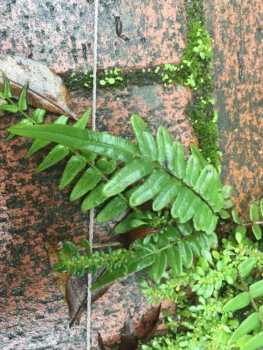
Ladder Brake Fern: An Adaptable Non-Native Addition to Your Shade Garden
If you’re looking for an easy-going fern that can handle a variety of conditions, the ladder brake fern (Pteris vittata) might catch your eye. This perennial fern has made itself at home across many parts of the United States, though it originally hails from other continents. Let’s explore what makes this distinctive fern tick and whether it deserves a spot in your garden.
What Is Ladder Brake Fern?
Ladder brake gets its common name from its unique fronds that resemble tiny green ladders. Technically classified as a forb rather than a woody plant, this fern produces distinctive linear segments arranged along its stems, creating that characteristic ladder-like appearance. The bright green fronds give any shaded area a fresh, tropical feel that many gardeners find appealing.
Where Does It Grow?
Originally from Asia, Africa, and Australia, ladder brake fern has established populations across the southern United States and beyond. You’ll find it growing in Alabama, California, District of Columbia, Florida, Georgia, Hawaii, Louisiana, Mississippi, South Carolina, Texas, and several U.S. territories including Guam, Palau, Puerto Rico, and the Virgin Islands.
- Species observed
- No observations
The Non-Native Question
Here’s something important to know: ladder brake fern isn’t native to North America. It’s what botanists call an introduced species that reproduces on its own and persists in the wild. While it’s not currently listed as invasive or noxious, this means it’s worth considering native fern alternatives first. Some excellent native options include:
- Christmas fern (Polystichum acrostichoides)
- Royal fern (Osmunda regalis)
- Cinnamon fern (Osmundastrum cinnamomeum)
- Lady fern (Athyrium filix-femina)
Growing Conditions and Care
If you do choose to grow ladder brake fern, you’ll find it refreshingly low-maintenance. This adaptable plant thrives in USDA hardiness zones 8-11, making it suitable for warmer climates. Here’s what it needs to flourish:
- Light: Partial to full shade (perfect for those tricky dim spots in your garden)
- Soil: Well-draining soil that doesn’t stay soggy
- Water: Moderate moisture, though it becomes quite drought-tolerant once established
- Maintenance: Very low – this fern pretty much takes care of itself
Wetland Flexibility
One interesting characteristic of ladder brake fern is its adaptability to different moisture conditions. Depending on your region, it can handle both wetland and non-wetland conditions, though in some areas like the Caribbean, it prefers staying on the drier side. This flexibility makes it useful for transitional areas in your landscape.
Garden Design Ideas
Ladder brake fern works well as:
- Ground cover in shaded areas
- Understory planting beneath trees and shrubs
- Container specimen for patios and porches
- Rock garden accent in humid climates
- Tropical or subtropical landscape element
A Word of Caution
While ladder brake fern isn’t particularly aggressive, remember that it can self-seed and establish new colonies. Keep an eye on it and remove unwanted seedlings if they pop up where you don’t want them. This is especially important if you’re near natural areas where native plant communities could be affected.
The Bottom Line
Ladder brake fern is an attractive, easy-care option for shaded gardens in warmer zones. However, as responsible gardeners, we should always consider native alternatives first. If you do choose to grow this non-native fern, enjoy its distinctive appearance and low-maintenance nature, but keep it in check and consider gradually transitioning to native ferns that better support local ecosystems.
Remember, the best gardens are those that balance our personal preferences with environmental responsibility. Whether you choose ladder brake fern or one of its native cousins, you’ll be adding beautiful texture and year-round greenery to your shaded spaces.