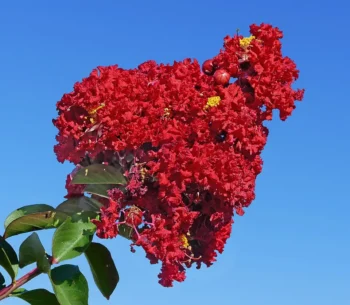
Lagerstroemia: The Beautiful Non-Native That’s Made Itself at Home
If you’ve ever admired those gorgeous summer-blooming trees with the smooth, mottled bark that looks like it’s been painted by an artist, you’ve likely encountered Lagerstroemia. These eye-catching plants have become a common sight across much of the southern and southeastern United States, though they’re not originally from our neck of the woods.
What Exactly is Lagerstroemia?
Lagerstroemia is a perennial shrub that typically grows as a multi-stemmed woody plant, usually staying under 13-16 feet in height. Think of it as nature’s way of bridging the gap between a large shrub and a small tree – it can go either way depending on how you manage it and the growing conditions.
Originally hailing from Southeast Asia, this plant has made quite the journey to become established across the American South. It’s what botanists call a naturalized species – meaning it arrived here thanks to human introduction but now reproduces and thrives on its own in the wild.
Where You’ll Find Lagerstroemia Growing
This adaptable plant has spread across a impressive range of states, including Alabama, Arkansas, Florida, Georgia, Indiana, Kentucky, Louisiana, Maryland, Mississippi, North Carolina, Ohio, South Carolina, Tennessee, Texas, and Virginia. You’ll also find it established in Puerto Rico and Palau.
- Species observed
- No observations
Why Gardeners Love (and Plant) Lagerstroemia
There’s a reason this non-native has become such a landscape staple. Here’s what makes it appealing:
- Spectacular summer blooms: Clusters of showy flowers that really put on a display when many other plants are taking a summer break
- Attractive bark: That smooth, exfoliating bark creates year-round visual interest
- Fall color bonus: Many varieties offer lovely autumn foliage
- Pollinator friendly: The flowers attract bees and butterflies to your garden
- Drought tolerance: Once established, it can handle dry spells pretty well
Growing Lagerstroemia Successfully
If you decide to add Lagerstroemia to your landscape, here’s how to keep it happy:
Location, Location, Location: These plants are sun worshippers – give them full sun for the best flowering and overall health. They’re generally hardy in USDA zones 6-10, making them suitable for much of the country.
Soil Needs: Well-draining soil is key. They’re not particularly fussy about soil type, but soggy feet will make them unhappy.
Planting Tips: Spring is your best bet for planting. Give your new Lagerstroemia regular water during its first growing season to help it establish a strong root system.
Maintenance: Here’s the good news – these plants don’t need much fussing over once they’re settled in. Minimal pruning is required, and they’re relatively low-maintenance overall.
The Native Alternative Angle
While Lagerstroemia isn’t considered invasive or harmful, it’s worth considering native alternatives that can provide similar benefits while supporting local ecosystems. Native flowering trees and shrubs often offer better support for local wildlife, including specialized relationships with native pollinators and birds.
Some native alternatives to consider might include native dogwoods, redbuds, or regional native shrubs that offer similar aesthetic appeal and seasonal interest.
The Bottom Line
Lagerstroemia is a beautiful, relatively low-maintenance plant that has earned its place in many American gardens. While it’s not native to our continent, it’s not considered problematic either. If you’re drawn to its showy flowers and attractive bark, it can be a lovely addition to your landscape. Just remember to also consider native alternatives that might offer similar beauty while providing even greater benefits to local wildlife and pollinators.
Whether you choose Lagerstroemia or explore native alternatives, the key is creating a garden that brings you joy while being mindful of the broader ecosystem we’re all part of.