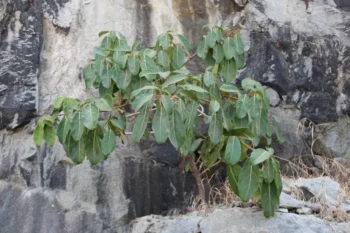
Lagos Rubbertree: A Tropical Beauty for Warm Climate Gardens
If you’re looking for a striking foliage plant to add some tropical flair to your garden, the Lagos rubbertree (Ficus lutea) might just catch your eye. This handsome shrub brings the lush look of the tropics with its glossy, substantial leaves and manageable size. But before you rush to the nursery, let’s dive into what makes this plant tick and whether it’s the right fit for your garden.
What Exactly is a Lagos Rubbertree?
The Lagos rubbertree is a perennial shrub that typically grows as a multi-stemmed woody plant, usually staying under 13-16 feet tall. Originally hailing from parts of Africa, this member of the fig family has found its way into tropical and subtropical gardens around the world. In the United States, you’ll find it growing in Puerto Rico, where it has naturalized and reproduces on its own.
- Species observed
- No observations
Like many ficus species, it’s also known by the botanical synonym Ficus nekhudu, though Lagos rubbertree is the name you’re most likely to encounter at garden centers.
The Good, The Beautiful, and The Practical
So what’s the appeal of this tropical transplant? Here are the highlights:
- Gorgeous foliage: Large, glossy green leaves that create instant tropical ambiance
- Manageable size: Stays relatively compact compared to its towering fig tree cousins
- Container-friendly: Perfect for patio gardening or bringing indoors during cold snaps
- Low-maintenance: Once established, it’s fairly easygoing
Growing Conditions and Care
The Lagos rubbertree is definitely a warm-weather lover, thriving in USDA hardiness zones 10-11. If you live somewhere that actually gets winter, don’t despair – this plant does beautifully in containers that can be moved indoors when temperatures drop.
Here’s what your Lagos rubbertree needs to flourish:
- Light: Partial to full sun (at least 4-6 hours of direct sunlight)
- Soil: Well-draining soil is crucial – soggy roots are a no-go
- Water: Regular watering, but let the soil dry out slightly between waterings
- Climate: Warm, humid conditions are ideal
Planting and Care Tips
Getting your Lagos rubbertree off to a good start is pretty straightforward:
- Plant in spring after the last frost danger has passed
- Choose a location with good air circulation
- Water regularly during the growing season, but avoid overwatering
- Prune occasionally to maintain shape and remove any dead or damaged branches
- If growing in containers, use a well-draining potting mix and ensure adequate drainage holes
- In cooler climates, plan to bring containers indoors before first frost
Wildlife and Pollinator Considerations
Like other ficus species, the Lagos rubbertree has a fascinating relationship with specialized fig wasps for pollination in its native range. However, these specific pollinators may not be present in areas where the plant has been introduced, which can limit fruit production – though the plant is primarily grown for its foliage anyway.
The Native Plant Perspective
While the Lagos rubbertree isn’t invasive or problematic, it’s worth remembering that it’s not native to most areas where it’s grown. If you’re passionate about supporting local ecosystems and wildlife, consider exploring native alternatives that can provide similar aesthetic appeal while offering better support for local pollinators and wildlife. Your local native plant society or extension office can suggest beautiful native shrubs that thrive in your specific region.
Is Lagos Rubbertree Right for Your Garden?
This plant is an excellent choice if you:
- Live in a tropical or subtropical climate (zones 10-11)
- Want an attractive, low-maintenance foliage plant
- Enjoy container gardening
- Love the lush, tropical look
However, you might want to look elsewhere if you:
- Live in a cold climate and don’t want to deal with container management
- Prefer to stick exclusively with native plants
- Are looking for a plant that supports local pollinators and wildlife
The Lagos rubbertree can be a wonderful addition to the right garden, bringing a touch of tropical elegance with relatively little fuss. Just remember to consider your local climate, garden goals, and whether native alternatives might be an even better fit for your slice of paradise.