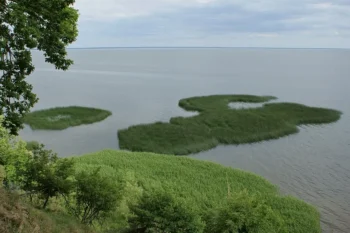
Lakeshore Bulrush: A Wetland Giant for Water Gardens
If you’re looking to add some serious height and drama to your pond edge or wetland garden, lakeshore bulrush (Schoenoplectus lacustris) might catch your eye. This towering sedge brings a wild, naturalistic look to water features, but there are some important things to consider before adding it to your landscape.
What Exactly Is Lakeshore Bulrush?
Lakeshore bulrush is a perennial sedge that belongs to the grass-like plant family. Don’t let the name fool you though – while it looks somewhat grass-like, it’s actually a member of the sedge family (Cyperaceae). This robust plant can create impressive stands along water edges, with its tall, cylindrical stems swaying in the breeze.
Where Does It Come From?
Here’s where things get interesting: lakeshore bulrush isn’t actually native to North America. This European and Asian native has made its way to our shores and has established itself in places like New Jersey. While it’s not currently listed as invasive, it’s worth keeping in mind that it’s a non-native species that can reproduce and spread on its own.
- Species observed
- No observations
The Wetland Specialist
This plant is what we call an obligate wetland species, which is a fancy way of saying it absolutely, positively needs wet conditions to thrive. We’re talking constantly soggy soil or even standing water. If you don’t have a pond, bog, or consistently wet area, this isn’t the plant for you.
What Does It Look Like?
Lakeshore bulrush is quite the showstopper when it comes to height – it can reach impressive dimensions that make it a real focal point in wetland gardens. The stems are smooth and cylindrical, topped with brownish flower clusters that add texture and interest. It has a somewhat wild, untamed appearance that works beautifully in naturalistic water gardens.
Garden Role and Design Uses
This plant excels in several specific garden situations:
- Pond margins and water garden edges
- Wetland restoration projects
- Bog gardens
- Rain gardens with standing water
- Naturalistic landscape designs
Growing Conditions
If you’re thinking about growing lakeshore bulrush, here’s what it absolutely must have:
- Water, water everywhere: Constantly moist to standing water conditions
- Sun worship: Full sun exposure
- Rich diet: Organic, nutrient-rich soils
- Climate needs: Hardy in USDA zones 4-9
Planting and Care Tips
Spring is your best bet for planting lakeshore bulrush. Here are some practical tips:
- Plant directly in shallow water or saturated soil
- Ensure consistent moisture – never let it dry out
- Give it space, as it can spread via underground rhizomes
- Very low maintenance once established in proper conditions
- May need occasional thinning if it spreads too enthusiastically
Wildlife and Pollinator Value
While lakeshore bulrush is wind-pollinated rather than insect-pollinated, wetland plants like this can provide habitat structure for various wildlife species that live in and around water features.
Should You Plant It?
The decision comes down to your specific situation and values. Lakeshore bulrush can be an effective plant for wetland gardens and water features, especially if you need a tall, dramatic element. However, since it’s not native to North America, you might want to consider native alternatives first.
Some excellent native bulrush alternatives include:
- Softstem bulrush (Schoenoplectus tabernaemontani)
- Great bulrush (Scirpus validus)
- Dark green bulrush (Scirpus atrovirens)
These native options provide similar aesthetic appeal while supporting local ecosystems and wildlife more effectively.
The Bottom Line
Lakeshore bulrush can be a striking addition to the right wetland garden, but it’s definitely a specialist plant with very specific needs. If you have the perfect wet spot and love its wild, architectural look, it could work well for you. Just remember to consider native alternatives first, and always be mindful of how non-native plants might behave in your local ecosystem.