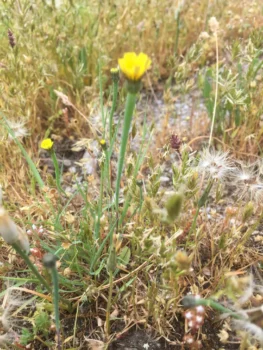
Lamb Succory: A Petite European Wildflower for Naturalized Gardens
Meet lamb succory (Arnoseris minima), a charming little wildflower that’s quietly made itself at home in parts of North America. This diminutive annual might not win any height contests, but what it lacks in stature, it makes up for in understated beauty and easy-going nature.
What is Lamb Succory?
Lamb succory is a small annual forb – basically a non-woody herbaceous plant that completes its entire life cycle in one growing season. Also known by its synonym Hyoseris minima, this European native belongs to the sunflower family and produces tiny yellow blooms that look like miniature dandelions.
The plant forms neat little rosettes of leaves close to the ground, with delicate flower heads rising on slender stems. It’s the kind of plant that adds subtle charm to naturalized areas without overwhelming its neighbors.
Where Does Lamb Succory Grow?
Originally from the sandy soils of western and central Europe, lamb succory has established populations in several North American regions. You’ll find it growing in New Brunswick, Nova Scotia, Prince Edward Island, Maine, Michigan, New Hampshire, New York, Ohio, and Pennsylvania. As a non-native species, it reproduces on its own in the wild and has shown it can persist without human intervention.
- Species observed
- No observations
Should You Grow Lamb Succory?
Here’s where things get interesting. Lamb succory isn’t native to North America, but it’s also not considered invasive or problematic. So should you plant it? The answer depends on your gardening goals.
Reasons you might want to grow it:
- Low maintenance annual that self-seeds
- Attracts small pollinators like bees and flies
- Thrives in poor, sandy soils where other plants struggle
- Adds delicate texture to wildflower meadows
- Drought tolerant once established
Reasons to consider alternatives:
- Non-native species may not support local wildlife as effectively as natives
- Native alternatives provide similar aesthetic benefits with greater ecological value
Native Alternatives to Consider
If you’re drawn to lamb succory’s delicate yellow flowers and ground-hugging habit, consider these native alternatives that offer similar charm:
- Small-flowered buttercup (Ranunculus abortivus)
- Dwarf dandelion (Krigia biflora)
- Carolina desert-chicory (Pyrrhopappus carolinianus)
Growing Conditions and Care
If you decide to grow lamb succory, you’ll find it refreshingly undemanding. This little plant actually prefers the kind of conditions that make other plants throw tantrums.
Preferred growing conditions:
- Sandy, well-drained soil (clay soil need not apply)
- Acidic to neutral pH
- Full sun to partial shade
- USDA hardiness zones 3-8
Planting and Care Tips
Growing lamb succory is about as straightforward as gardening gets:
Planting: Direct seed in fall or early spring when soil temperatures are cool. The seeds are tiny, so scatter them lightly over prepared soil and barely cover them.
Watering: Water gently until seedlings establish, then step back and let nature take over. These plants are surprisingly drought tolerant.
Maintenance: Minimal care required. Allow plants to self-seed if you want them to return next year, or deadhead if you prefer to control their spread.
Companion plants: Pairs well with other low-growing annuals and naturalized grasses in meadow settings.
Pollinator and Wildlife Benefits
While lamb succory does attract small pollinators with its composite flowers, remember that native plants typically provide more comprehensive support for local ecosystems. The tiny yellow blooms appeal to small bees and flies, but won’t create the bustling pollinator highway that native wildflowers provide.
The Bottom Line
Lamb succory is a well-behaved, low-maintenance annual that can add subtle interest to naturalized gardens, especially in challenging sandy soils. While it’s not invasive, consider whether native alternatives might better serve your local ecosystem’s needs. If you do choose to grow it, you’ll find it a reliable, undemanding companion that asks for little and delivers quiet charm in return.