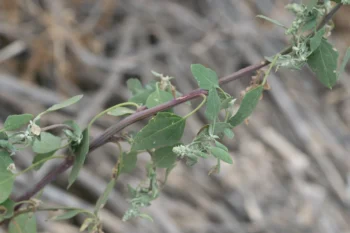
Lambsquarters: The Underappreciated Edible Annual Worth Knowing
If you’ve ever wondered about that common weed growing in your garden beds or along pathways, chances are you’ve encountered lambsquarters (Chenopodium album). This humble annual forb might not win any beauty contests, but it’s earned a special place in the hearts of foragers and practical gardeners who appreciate its edible qualities and easy-going nature.
What Exactly Is Lambsquarters?
Lambsquarters is an annual forb—a non-woody plant that completes its entire life cycle in one growing season. As a member of the goosefoot family, it’s characterized by its distinctive triangular to diamond-shaped leaves that often have a powdery white coating on their undersides. The small, greenish flowers appear in dense, branching clusters that aren’t particularly showy but serve an important purpose for pollinators.
This adaptable plant originally hails from Europe and Asia but has made itself at home across North America. While it’s considered non-native, it’s been reproducing spontaneously in the wild for so long that many gardeners encounter it as a familiar volunteer in their gardens.
Where You’ll Find Lambsquarters
Lambsquarters has an impressively wide distribution across North America. You can find it growing from Alaska down to Hawaii, and from coast to coast in the continental United States. It’s equally at home in Canadian provinces from British Columbia to Newfoundland. This extensive range speaks to the plant’s remarkable adaptability to different climates and growing conditions.
- Species observed
- No observations
Growing Conditions and Habitat Preferences
One of lambsquarters’ greatest strengths is its flexibility when it comes to growing conditions. This plant typically prefers upland sites—meaning it usually grows in non-wetland areas, though it can occasionally tolerate some moisture. It thrives in:
- Full sun to partial shade
- Disturbed soils and garden beds
- Various soil types, from sandy to clay
- USDA hardiness zones 2-11 (as an annual)
Lambsquarters is particularly fond of nitrogen-rich soils, which explains why it often pops up in vegetable gardens and composted areas. Its drought tolerance once established makes it a low-maintenance addition to any growing space.
Why Gardeners Might Want Lambsquarters
While lambsquarters won’t dazzle you with ornamental appeal, it offers several practical benefits:
- Edible leaves: Young leaves are nutritious and taste similar to spinach
- Pollinator support: Small flowers provide nectar and pollen for bees, flies, and other beneficial insects
- Easy care: Requires virtually no maintenance once established
- Self-seeding: Will reliably return year after year if allowed to set seed
Growing and Care Tips
If you decide to cultivate lambsquarters intentionally, here’s what you need to know:
- Direct seed in spring after the last frost
- Scatter seeds lightly on prepared soil surface
- Water gently until established, then rely on natural rainfall
- Harvest young leaves regularly for the best eating quality
- Allow some plants to go to seed if you want them to return next year
Keep in mind that lambsquarters self-seeds enthusiastically, so you may find it spreading beyond where you originally planted it.
A Word About Native Alternatives
While lambsquarters is a useful plant that’s well-established in North American ecosystems, gardeners interested in supporting native biodiversity might consider these indigenous alternatives:
- Native amaranth species (Amaranthus spp.)
- Wild spinach or saltbush (Atriplex spp.)
- Native goosefoot species specific to your region
These native plants can provide similar benefits while supporting local wildlife and maintaining regional ecological integrity.
The Bottom Line
Lambsquarters may not be the most glamorous addition to your garden, but it’s a practical, low-maintenance plant that offers real benefits. Whether you’re interested in wild edibles, supporting pollinators, or simply understanding the plants that volunteer in your garden space, lambsquarters is worth getting to know. Just remember that if you choose to grow it, be prepared for its enthusiastic self-seeding habits—this is one plant that definitely knows how to make itself at home!