Lanceleaf Rattlebox: A Bright Annual with a Quirky Name
With a name like lanceleaf rattlebox, you might wonder if this plant belongs in your garden or a Wild West movie! Don’t let the dramatic moniker fool you – Crotalaria lanceolata is actually a cheerful annual that brings sunny yellow blooms to warm-climate gardens. But before you fall head over heels for this bright beauty, there are a few things every gardener should know.
What Exactly Is Lanceleaf Rattlebox?
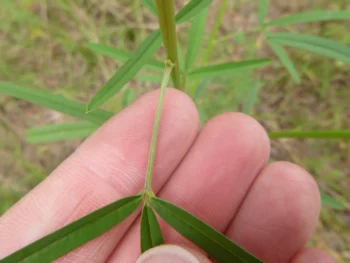
Lanceleaf rattlebox (Crotalaria lanceolata) is an annual forb – basically a non-woody herbaceous plant that completes its life cycle in one growing season. This member of the pea family sports lance-shaped leaves and clusters of bright yellow flowers that look like tiny snapdragons. The rattlebox part of its name comes from the mature seed pods, which literally rattle when shaken!
Originally hailing from tropical Africa, this plant has made itself at home in warmer parts of the United States. It’s what botanists call a naturalized species – meaning it arrived from somewhere else but now reproduces happily on its own in the wild.
Where You’ll Find It Growing Wild
If you live in the southeastern United States or Hawaii, you might already be familiar with this plant. Lanceleaf rattlebox has established populations in Alabama, Florida, Georgia, Hawaii, Louisiana, North Carolina, and South Carolina. It tends to pop up in disturbed soils, roadsides, and open areas where it can soak up plenty of sunshine.
- Species observed
- No observations
The Good, The Bad, and The Beautiful
Let’s start with the positives! Lanceleaf rattlebox offers several appealing qualities:
- Bright yellow flowers that attract bees and butterflies
- Drought tolerance once established
- Nitrogen-fixing abilities that can improve soil
- Low maintenance requirements
- Interesting seed pods that add texture to the garden
However, there are some considerations to keep in mind. As a non-native species that readily self-seeds, lanceleaf rattlebox can spread beyond where you initially plant it. While it’s not currently classified as invasive in most areas, responsible gardeners should monitor its spread and prevent it from escaping into natural areas.
Growing Lanceleaf Rattlebox Successfully
If you decide to give this sunny annual a try, here’s what you need to know:
Climate and Zones: This heat-lover thrives in USDA zones 8-11 year-round, but can be grown as an annual in cooler areas during warm months.
Light and Soil: Plant in full sun for best flowering. Lanceleaf rattlebox isn’t picky about soil type but prefers well-draining conditions. It actually performs better in average to poor soils than in rich, fertilized ground.
Planting: Direct seed in spring after the last frost date. Seeds germinate easily and plants establish quickly. Space plants about 12-18 inches apart to allow for their bushy growth habit.
Care: Once established, this plant practically takes care of itself. Water during dry spells, but don’t overdo it – too much moisture can lead to weak, floppy growth.
Before You Plant: Consider Native Alternatives
While lanceleaf rattlebox can be a charming addition to informal gardens, consider supporting local ecosystems by choosing native alternatives that provide similar benefits. Depending on your region, native options might include wild bergamot, black-eyed Susan, or native Baptisia species, which offer comparable yellow blooms and pollinator appeal while supporting local wildlife more effectively.
The Bottom Line
Lanceleaf rattlebox is a low-maintenance annual that can add sunny color to gardens in warm climates. Its drought tolerance and easy-care nature make it appealing for busy gardeners or challenging sites. However, responsible gardening means being mindful of its potential to self-seed and spread. If you choose to grow it, deadhead spent flowers to prevent unwanted spreading, and always prioritize native plants when possible to support local ecosystems and wildlife.
Whether you call it lanceleaf rattlebox or by its scientific name Crotalaria lanceolata, this plant serves as a good reminder that every garden choice comes with considerations beyond just pretty flowers!