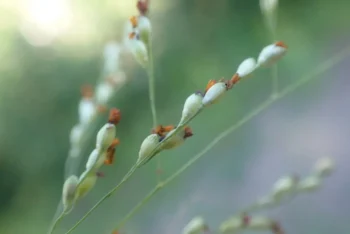
Land Grass (Panicum schinzii): A Lesser-Known Native Grass Worth Understanding
If you’ve stumbled across the name land grass or Panicum schinzii in your native plant research, you’re not alone in finding limited information about this intriguing grass species. While many members of the Panicum genus are well-documented and widely cultivated, Panicum schinzii remains something of a botanical mystery in the gardening world.
What is Land Grass?
Land grass (Panicum schinzii) belongs to the diverse Panicum genus within the grass family (Poaceae). This genus includes many important native grasses across North America, from the popular switchgrass to various panic grasses that provide crucial ecosystem services. Panicum schinzii has historically been known by the synonym Panicum laevifolium, though current taxonomic understanding may have evolved.
The Information Gap Challenge
Here’s where things get a bit tricky for us gardening enthusiasts. Unlike its well-known cousins in the Panicum family, detailed information about Panicum schinzii’s native range, growing requirements, and garden performance is surprisingly scarce in mainstream horticultural literature. This doesn’t necessarily mean it’s not a worthwhile plant – it might simply mean it hasn’t received the attention it deserves from the gardening community.
What We Know About the Panicum Family
While we can’t speak specifically to Panicum schinzii’s characteristics, we can look at what makes other Panicum species valuable in native landscapes:
- Generally hardy and adaptable grasses
- Important food sources for birds and small wildlife
- Often drought-tolerant once established
- Provide structural interest and movement in garden designs
- Support native insect populations
Should You Plant Land Grass?
Given the limited information available about Panicum schinzii specifically, we’d recommend caution before adding it to your garden. Without clear data on its native status, growing requirements, or potential invasiveness, it’s difficult to provide confident planting recommendations.
If you’re drawn to native Panicum grasses, consider these well-documented alternatives:
- Switchgrass (Panicum virgatum) – widely available and excellent for wildlife
- Fall panicum (Panicum dichotomiflorum) – great annual option
- Deer-tongue grass (Panicum clandestinum) – good for shadier spots
Moving Forward
The world of native plants is vast and constantly evolving as we learn more about regional ecosystems and plant relationships. If you’re specifically interested in Panicum schinzii, we’d encourage you to:
- Consult with local native plant societies
- Contact your regional extension office
- Reach out to botanical gardens specializing in native plants
- Check with local ecology researchers or universities
Sometimes the most rewarding gardening discoveries come from these lesser-known species, but it’s always wise to gather solid information before planting. Your local experts may have insights that aren’t widely published yet!
Have you encountered Panicum schinzii in the wild or in cultivation? We’d love to hear about your experiences with this mysterious member of the panic grass family.