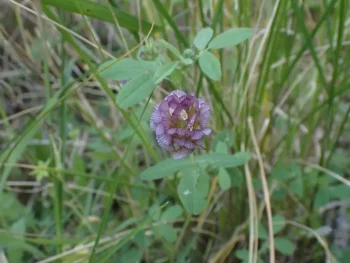
Large-Flower Hop Clover: A Mysterious Member of the Clover Family
If you’ve stumbled upon the name large-flower hop clover (Trifolium grandiflorum) in your gardening research, you’re not alone in finding limited information about this particular species. This somewhat elusive member of the clover family has left many gardeners scratching their heads, and for good reason – reliable, comprehensive information about this specific plant is surprisingly scarce in most botanical references.
What We Know About Large-Flower Hop Clover
Large-flower hop clover, scientifically known as Trifolium grandiflorum, is also referenced by the synonym Trifolium speciosum. As its common name suggests, this plant presumably produces larger flowers than typical clover species, though detailed descriptions of its appearance and characteristics are not well-documented in standard botanical literature.
The lack of comprehensive information about this species raises some important questions for gardeners who are considering adding it to their landscapes.
The Challenge of Unclear Origins
One of the biggest concerns with Trifolium grandiflorum is the uncertainty surrounding its native status and geographical distribution. Without clear documentation of where this plant naturally occurs, it’s difficult to determine whether it would be appropriate for native plant gardens or whether it might pose any ecological concerns.
Why This Matters for Your Garden
When choosing plants for your garden, especially if you’re interested in supporting local ecosystems, having reliable information about a plant’s origins, growing requirements, and ecological role is crucial. The limited documentation of Trifolium grandiflorum makes it challenging to:
- Determine appropriate growing conditions
- Understand its role in supporting pollinators and wildlife
- Assess its compatibility with other native plants
- Predict its long-term performance in your landscape
Better Alternatives: Well-Documented Native Clovers
Rather than taking a chance on a poorly documented species, consider these well-researched native clover alternatives that offer clear benefits for both gardeners and local ecosystems:
- White Clover (Trifolium repens) – A low-growing, nitrogen-fixing ground cover that attracts beneficial insects
- Red Clover (Trifolium pratense) – Taller species excellent for wildlife habitat and soil improvement
- Buffalo Clover (Trifolium reflexum) – A native species in parts of the eastern United States
Making Informed Garden Choices
The world of native plants is vast and exciting, but it’s always wise to choose species with well-documented characteristics and clear ecological benefits. When plant information is scarce or unclear, as is the case with large-flower hop clover, consider waiting for more research or opting for similar plants with proven track records.
If you’re passionate about supporting pollinators and creating sustainable landscapes, focus on locally native species that have been thoroughly studied and are readily available from reputable native plant sources. Your local native plant society or extension office can provide excellent guidance on the best clover species for your specific region.
The Bottom Line
While the name large-flower hop clover certainly sounds appealing, the lack of reliable information about Trifolium grandiflorum makes it difficult to recommend for most gardening situations. When in doubt, choose well-documented native plants that will provide predictable benefits for both your garden and local wildlife. Your future self – and the local ecosystem – will thank you for making informed, research-based choices.