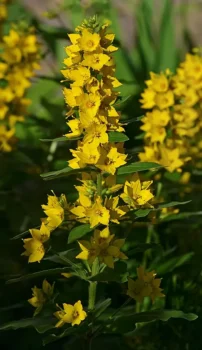
Large Yellow Loosestrife: A Bright Splash for Wet Gardens
If you’ve been struggling to find plants that actually thrive in those soggy spots in your yard, large yellow loosestrife (Lysimachia punctata) might catch your eye. This perennial forb brings cheerful yellow blooms to wet areas where many other plants would simply sulk and rot. But before you rush to the nursery, let’s dive into what makes this plant tick—and whether it’s the right fit for your garden.
What Is Large Yellow Loosestrife?
Large yellow loosestrife is a herbaceous perennial that belongs to the primrose family. Despite its common name, it’s not actually related to the infamous purple loosestrife that’s caused so much ecological trouble. This yellow-flowered cousin is a completely different beast, though it does share a love for wet feet.
The plant produces bright yellow, cup-shaped flowers arranged in showy spikes that bloom from mid to late summer. Its lance-shaped leaves grow in attractive whorls around the stem, creating a neat, organized appearance that gardeners often appreciate.
The Native Status Reality Check
Here’s something important to know upfront: large yellow loosestrife isn’t native to North America. Originally from Europe and Asia, this plant has made itself at home across much of Canada and the United States, from British Columbia to Newfoundland, and from Montana down to North Carolina.
While it’s established itself widely and reproduces on its own in the wild, it’s not currently listed as invasive or noxious in most areas. That said, its ability to spread aggressively through underground rhizomes means it can quickly take over if left unchecked.
- Species observed
- No observations
Where Does It Fit in Your Garden?
Large yellow loosestrife has earned its place as an obligate wetland plant, which is a fancy way of saying it almost always grows in wet conditions. This makes it particularly valuable for:
- Rain gardens and bioswales
- Pond edges and bog gardens
- Consistently moist borders
- Naturalized wet meadow areas
- Problem spots where other plants struggle with too much water
The plant typically grows 2-4 feet tall and can spread 2-3 feet wide, making it a good mid-border choice for wet garden areas.
Growing Conditions and Care
If you decide to grow large yellow loosestrife, here’s what it needs to thrive:
Light: Full sun to partial shade, though it flowers best with at least 6 hours of direct sunlight
Soil: Consistently moist to wet soil is essential. It’s quite tolerant of different soil types as long as they don’t dry out
Hardiness: Thrives in USDA zones 4-8, making it suitable for most temperate regions
Water: This is not a drought-tolerant plant—keep it consistently moist or even waterlogged
Planting and Maintenance Tips
Plant large yellow loosestrife in spring after the last frost. Space plants 18-24 inches apart, though remember that they’ll fill in quickly through underground spread.
Maintenance is relatively straightforward:
- Deadhead spent flowers to prevent excessive self-seeding
- Divide clumps every 3-4 years to manage spread and maintain vigor
- Consider installing root barriers if you want to contain its spread
- Cut back to ground level in late fall or early spring
The Pollinator Factor
One of large yellow loosestrife’s redeeming qualities is its appeal to pollinators. The bright yellow flowers attract bees, butterflies, and other beneficial insects during the mid to late summer blooming period, when many other flowers are starting to fade.
Should You Plant It?
This is where things get a bit nuanced. Large yellow loosestrife can be a useful plant for specific situations—particularly if you have a wet area where you want reliable color and pollinator appeal. However, its non-native status and aggressive spreading habit are worth considering.
If you do choose to plant it, treat it like you would any vigorous spreader: give it space to roam or be prepared to manage its growth actively. Deadheading and regular division will help keep it in check.
Native Alternatives to Consider
If you’re leaning toward native alternatives that offer similar benefits for wet areas, consider these options:
- Blue flag iris (Iris versicolor) – stunning purple-blue flowers
- Swamp milkweed (Asclepias incarnata) – pink flowers beloved by monarchs
- Cardinal flower (Lobelia cardinalis) – brilliant red spikes that hummingbirds adore
- Wild bergamot (Monarda fistulosa) – fragrant purple flowers for pollinators
- New England aster (Symphyotrichum novae-angliae) – late-season purple blooms
The Bottom Line
Large yellow loosestrife can be a valuable addition to wet garden spaces, offering reliable blooms and pollinator benefits where many plants struggle. Just go into it with eyes wide open about its spreading nature and non-native status. Whether you choose this cheerful yellow bloomer or opt for native alternatives, the key is creating a garden that works with your site’s natural conditions—and few things love wet feet quite like loosestrife does.