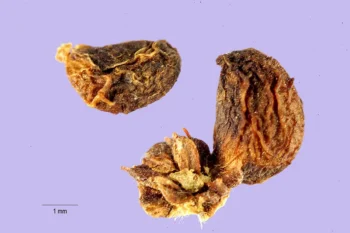
Largeleaf Blackberry: A Lesser-Known Non-Native Shrub
If you’ve stumbled across the name largeleaf blackberry in your gardening research, you might be wondering what exactly this plant is all about. Rubus macrophyllus, as it’s scientifically known, is one of those plants that doesn’t get much spotlight in the gardening world – and there might be good reasons for that.
What is Largeleaf Blackberry?
Largeleaf blackberry is a perennial shrub that stays refreshingly compact compared to its more aggressive blackberry cousins. This low-growing plant typically reaches just 1.5 feet tall and rarely exceeds 3 feet at maturity, making it quite different from the towering, thorny brambles you might be thinking of.
Where Does It Come From?
Here’s where things get interesting – largeleaf blackberry isn’t actually native to North America. It’s been introduced and has established itself in the wild, particularly in Washington state, where it reproduces without human assistance. This ability to spread on its own is something to keep in mind if you’re considering adding it to your garden.
- Species observed
- No observations
Should You Plant Largeleaf Blackberry?
This is where we need to have an honest conversation. While largeleaf blackberry might seem like an appealing compact alternative to larger blackberry species, there are several factors to consider:
- It’s non-native and has shown the ability to establish itself in wild areas
- Its invasive potential is currently unknown, which means we can’t be sure how it might behave in different environments
- Very little is known about its specific growing requirements or benefits to local wildlife
Native Alternatives to Consider
Instead of taking a chance with largeleaf blackberry, why not consider some fantastic native options that offer similar compact growth and proven benefits?
- Native trailing blackberries (Rubus ursinus) – supports local wildlife and pollinators
- Salmonberry (Rubus spectabilis) – beautiful flowers and edible fruit
- Thimbleberry (Rubus parviflorus) – large, attractive leaves and delicious berries
The Bottom Line
While largeleaf blackberry might seem intriguing with its compact size, the lack of information about its environmental impact and invasive potential makes it a risky choice for responsible gardeners. With so many wonderful native alternatives available that we know support local ecosystems, why not play it safe and choose plants that we know will be good neighbors in your landscape?
Remember, every planting decision we make is a vote for the kind of environment we want to create. When in doubt, going native is usually the best route for both your garden and your local ecosystem.