Largeleaf Brunnera: A Charming Shade Perennial for Your Garden
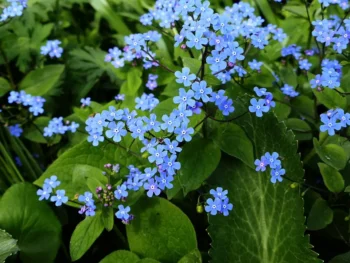
If you’re looking for a reliable shade perennial that brings both beautiful spring flowers and attractive foliage to your garden, largeleaf brunnera (Brunnera macrophylla) might just be the plant you’ve been searching for. This delightful perennial has been winning over gardeners with its heart-shaped leaves and clouds of tiny blue flowers that look remarkably like forget-me-nots.
What Is Largeleaf Brunnera?
Largeleaf brunnera is a perennial plant that’s part of the borage family. You might occasionally see it listed under its old scientific name, Myosotis macrophylla, but don’t let that confuse you – it’s the same charming plant. The largeleaf part of its common name is pretty self-explanatory once you see those distinctive heart-shaped leaves that can grow quite substantial in size.
Where Does It Come From?
This isn’t a native North American plant – largeleaf brunnera originally hails from the Caucasus region, including parts of Georgia, Armenia, and Turkey. However, it has established itself in parts of the United States, particularly in Missouri, New York, and Ohio, where it reproduces on its own in the wild.
- Species observed
- No observations
Since this is a non-native species, you might want to consider native alternatives like wild ginger (Asarum canadense) or foamflower (Tiarella cordifolia) for similar shade garden appeal while supporting local ecosystems.
Why Gardeners Love Largeleaf Brunnera
There are several reasons why this plant has found its way into so many shade gardens:
- Early spring flowers provide a welcome splash of blue when little else is blooming
- Heart-shaped leaves create beautiful texture and remain attractive throughout the growing season
- Thrives in challenging shade conditions where many plants struggle
- Low maintenance once established
- Provides early nectar for bees and other small pollinators
Perfect Garden Settings
Largeleaf brunnera shines in several garden styles and locations:
- Woodland gardens where it can naturalize under trees
- Shade borders as a textural accent plant
- Cottage gardens for that relaxed, informal feel
- Ground cover in areas with partial to full shade
Growing Conditions and Care
The good news is that largeleaf brunnera isn’t particularly fussy, but it does have some preferences:
Light: Partial to full shade (morning sun is okay, but avoid hot afternoon sun)
Soil: Moist, well-draining soil that doesn’t dry out completely
Hardiness: Hardy in USDA zones 3-8, making it suitable for most temperate regions
Size: Typically grows 12-15 inches tall and spreads 12-18 inches wide
Planting and Care Tips
Getting your largeleaf brunnera off to a good start is pretty straightforward:
- Plant in spring or fall when temperatures are moderate
- Water regularly during the first growing season to establish roots
- Apply a 2-3 inch layer of mulch to help retain soil moisture
- Remove spent flower stems to keep the plant looking tidy
- Divide clumps every 3-4 years in early spring to maintain vigor
- In hot climates, ensure consistent moisture and deep shade
The Bottom Line
Largeleaf brunnera can be a lovely addition to shade gardens, offering both spring flowers and attractive foliage throughout the growing season. While it’s not native to North America, it’s not considered invasive either, making it a reasonable choice for gardeners seeking reliable shade perennials. Just remember to consider native alternatives first – they’ll provide similar beauty while better supporting local wildlife and ecosystems. If you do choose to grow largeleaf brunnera, you’ll likely find it to be a low-maintenance, rewarding garden companion that comes back reliably year after year.