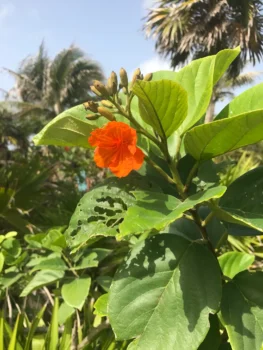
Largeleaf Geigertree: A Tropical Beauty for Warm Climate Gardens
If you’re looking to add a splash of vibrant color to your tropical or subtropical garden, the largeleaf geigertree (Cordia sebestena) might just catch your eye. This eye-catching shrub produces stunning orange to red-orange tubular flowers that seem to glow against its glossy, dark green foliage. But before you rush to the nursery, let’s dive into what makes this plant tick and whether it’s the right fit for your landscape.
What Exactly Is a Largeleaf Geigertree?
The largeleaf geigertree, also known as kelau in Palau, is a perennial shrub that typically grows as a multi-stemmed woody plant reaching 13 to 16 feet in height. Though it can sometimes grow taller or develop a single stem depending on environmental conditions, it usually maintains that classic shrub form with several stems emerging from or near the ground.
This plant is originally native to the Caribbean islands, including Cuba, Jamaica, and the Bahamas. However, it has found its way to other warm regions and now grows in Florida, Guam, Palau, Puerto Rico, and the Virgin Islands, where it reproduces naturally without human assistance.
- Species observed
- No observations
The Good, The Beautiful, and The Practical
So why might you want to consider this tropical charmer for your garden? Here are the standout features:
- Year-round blooms: In warm climates, those gorgeous orange flowers can appear throughout the year
- Pollinator magnet: Hummingbirds, butterflies, and bees absolutely love the nectar-rich flowers
- Salt tolerance: Perfect for coastal gardens where salt spray is a concern
- Drought resilience: Once established, it can handle dry conditions like a champ
- Low maintenance: Minimal pruning required and generally pest-free
Where Does It Fit in Your Landscape?
The largeleaf geigertree works beautifully as a specimen plant where its showy flowers can take center stage. It’s particularly well-suited for:
- Tropical and subtropical garden designs
- Coastal landscaping projects
- Xerophytic (drought-tolerant) gardens
- Pollinator gardens focused on attracting hummingbirds and butterflies
Growing Conditions and Care
If you’re gardening in USDA hardiness zones 10-11, you’re in luck! This plant is quite frost-sensitive, so it won’t survive freezing temperatures. Here’s what it needs to thrive:
- Sunlight: Full sun to partial shade (full sun produces the best flowering)
- Soil: Well-draining soil is essential – it doesn’t like wet feet
- Water: Regular watering during establishment, then drought-tolerant
- Fertilizer: Light feeding during the growing season
Planting and Care Tips
Spring is the ideal time to plant your largeleaf geigertree. Dig a hole twice as wide as the root ball and just as deep. Water regularly for the first year while the plant establishes its root system, then you can back off significantly. The beauty of this plant is that it really doesn’t need much fussing once it’s settled in.
A Note About Wetland Preferences
Interestingly, this plant shows different wetland preferences depending on location. In the Atlantic and Gulf Coastal Plain regions, it can occur in both wetlands and non-wetlands. However, in the Caribbean, it almost never occurs in wetlands, preferring upland areas.
Consider Native Alternatives
While the largeleaf geigertree isn’t considered invasive, it’s worth noting that it’s not native to most areas where it’s commonly grown. If you’re interested in supporting local ecosystems, consider these native alternatives that offer similar benefits:
- For Florida gardeners: Firebush (Hamelia patens) or Wild Coffee (Psychotria nervosa)
- For other warm regions: Research native flowering shrubs that attract pollinators in your specific area
The largeleaf geigertree can be a stunning addition to warm climate gardens, especially if you’re looking for reliable color and pollinator appeal. Just remember that supporting native plants when possible helps maintain healthy local ecosystems while still enjoying the beauty of thoughtfully chosen ornamental species.