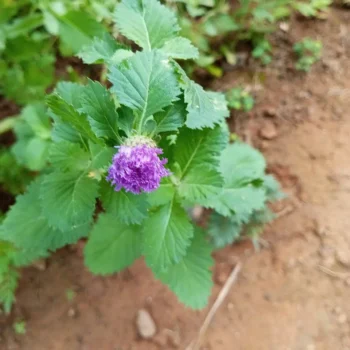
Larkdaisy: A Charming Non-Native Wildflower for Warm Climate Gardens
Meet the larkdaisy (Centratherum punctatum), a delightful little wildflower that’s been quietly making itself at home in warm regions across the United States. While this perennial herb isn’t native to North America, it has established itself as a naturalized resident in Florida, Hawaii, and Puerto Rico, bringing its cheerful purple blooms to landscapes where traditional natives might struggle.
What Exactly is Larkdaisy?
Larkdaisy is a perennial forb – essentially a non-woody plant that comes back year after year. As a member of the aster family, it produces small, daisy-like flowers that add a splash of color to any garden. Originally hailing from tropical regions of Asia, this adaptable plant has found its niche in America’s warmest zones.
Where Does Larkdaisy Grow?
Currently, you’ll find larkdaisy thriving in Florida, Hawaii, and Puerto Rico, where it has naturalized and reproduces on its own without human intervention. The plant has established itself as a non-native species that persists reliably in these warm, humid climates.
- Species observed
- No observations
Why Gardeners Love (and Sometimes Question) Larkdaisy
There are several reasons why gardeners might consider adding larkdaisy to their landscapes:
- Low maintenance requirements
- Drought tolerance once established
- Attracts butterflies and small pollinators
- Self-seeding nature means it can fill in gaps naturally
- Thrives in areas where other plants might struggle
However, since larkdaisy isn’t native to North America, some gardeners prefer to focus on indigenous species that have co-evolved with local wildlife. If you’re looking for native alternatives, consider regional wildflowers like blanket flower (Gaillardia) or native asters that provide similar aesthetic appeal and pollinator benefits.
Growing Conditions and Care
Larkdaisy is surprisingly easy to grow if you live in the right climate. Here’s what this adaptable plant prefers:
- Climate: USDA hardiness zones 9-11
- Sunlight: Full sun to partial shade
- Soil: Well-draining soil; adaptable to various soil types
- Water: Moderate water needs; drought tolerant once established
- Wetland status: Facultative upland (usually grows in non-wetland areas but can tolerate some moisture)
Planting and Care Tips
Getting started with larkdaisy is refreshingly straightforward:
- Plant in spring after the last frost
- Space plants 12-18 inches apart to allow for natural spreading
- Water regularly during establishment, then reduce frequency
- Deadhead spent flowers to encourage continued blooming
- Allow some flowers to go to seed if you want natural reseeding
- Monitor spread, as the plant can self-seed readily
Garden Design Ideas
Larkdaisy works beautifully in several landscape settings:
- Informal wildflower gardens
- Naturalized areas where low maintenance is key
- Border plantings
- Ground cover in sunny spots
- Pollinator gardens (though native alternatives might be preferable)
Wildlife and Pollinator Benefits
While not native, larkdaisy does provide some benefits to local wildlife. Its small purple flowers attract butterflies and various small pollinators, offering nectar when blooming. However, for maximum ecological benefit, consider pairing it with or substituting native plants that have deeper relationships with local wildlife.
The Bottom Line
Larkdaisy can be a charming addition to warm-climate gardens, especially in areas where you want low-maintenance color. While it’s not native, it’s also not considered invasive or problematic. If you choose to grow it, enjoy its easy-going nature and cheerful blooms, but consider balancing your garden with native species that provide maximum benefit to local ecosystems. After all, the best gardens often blend practical beauty with ecological responsibility.