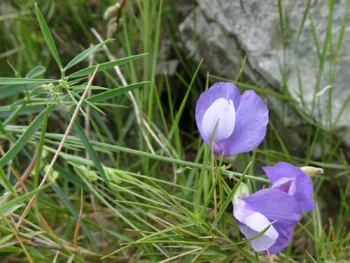
Lathyrus filiformis: The Delicate Thread-Stemmed Sweet Pea
Meet Lathyrus filiformis, a charming member of the sweet pea family that’s as delicate as its name suggests. This Mediterranean native might not be the showiest plant in your garden, but it brings a subtle elegance that’s hard to ignore once you know what to look for.
What Makes This Plant Special?
Lathyrus filiformis stands out for its thread-like stems (that’s what filiformis means!) and dainty purple-pink flowers that dance in the breeze. Unlike its more robust sweet pea cousins, this species has an almost ethereal quality that makes it perfect for gardeners who appreciate understated beauty.
You might also encounter this plant under its synonym, Lathyrus canescens, though the thread-stemmed description of filiformis is much more descriptive of its distinctive appearance.
Where Does It Come From?
This sweet pea calls the Mediterranean region home, thriving in the sunny, dry conditions of southern Europe and North Africa. It’s adapted to those classic Mediterranean summers – hot, dry, and demanding – which gives us some great clues about how to grow it successfully.
Should You Grow It?
Here’s the honest scoop: Lathyrus filiformis is best suited for gardeners in warmer climates (USDA zones 8-10) who want to create Mediterranean-style landscapes. If you’re gardening in cooler regions or want to focus on supporting local ecosystems, you might want to consider native alternatives that provide similar benefits to local wildlife.
However, if you’re in a compatible climate zone and love the Mediterranean aesthetic, this little beauty can be a wonderful addition to:
- Rock gardens where its delicate nature won’t be overwhelmed
- Mediterranean-themed landscapes
- Naturalized areas that need low-maintenance ground cover
- Gardens where you want subtle texture rather than bold color
Growing Conditions and Care
The good news? Once you understand its Mediterranean roots, Lathyrus filiformis is refreshingly low-maintenance. Here’s what it needs to thrive:
Sun and Soil: Full sun to partial shade with well-draining soil is essential. This plant absolutely hates soggy feet, so if your soil tends to stay wet, consider raised beds or containers.
Water Wisdom: Like many Mediterranean plants, it’s drought-tolerant once established. Water regularly during the first growing season, then back off. Too much water can actually harm this plant more than too little.
Temperature Requirements: Best suited for USDA hardiness zones 8-10, where winters are mild and summers can be hot and dry.
Planting and Propagation Tips
Getting Lathyrus filiformis started is straightforward if you follow a few key principles:
- Direct sow seeds in fall or early spring when temperatures are cool
- Lightly cover seeds and keep soil barely moist until germination
- Space plants to allow good air circulation
- Avoid fertilizing heavily – these plants prefer lean conditions
Benefits for Pollinators and Wildlife
While it may be small, Lathyrus filiformis pulls its weight in the pollinator garden. Its pea-family flowers are perfectly designed for bees, and you might also spot small butterflies visiting the blooms. The seeds can provide food for birds, though the delicate nature of this plant means wildlife benefits are modest compared to more robust native species.
The Bottom Line
Lathyrus filiformis is a lovely choice for the right garden in the right climate. If you’re creating a Mediterranean landscape in zones 8-10 and appreciate subtle, delicate plants, this thread-stemmed sweet pea could be perfect for you. However, if you’re in a different climate zone or prioritizing native plants for local ecosystem support, consider researching native legumes in your area that can provide similar aesthetic appeal with greater ecological benefits.
Remember, the best garden is one that works with your local conditions rather than against them. Whether you choose this Mediterranean charmer or a native alternative, the key is understanding what your plants need and giving them the right environment to flourish.