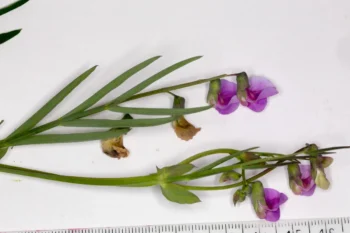
Bitter Vetch: A Charming European Wildflower for Your Garden
If you’re looking for a delicate, low-maintenance addition to your garden that brings a touch of European countryside charm, bitter vetch (Lathyrus linifolius) might just be the plant you’ve been searching for. Also known as heath pea, this petite member of the pea family offers subtle beauty and easy-going nature that many gardeners find irresistible.
What Is Bitter Vetch?
Bitter vetch is a perennial wildflower native to Europe, where it naturally thrives in mountainous regions and heathlands. You might also see it listed under its botanical synonym, Lathyrus montanus. Don’t let the bitter in its name put you off – this refers to the plant’s historical use rather than any gardening drawbacks!
Where Does It Come From?
This charming little plant calls Europe home, particularly favoring the cooler, mountainous regions and heath-covered landscapes. It’s adapted to the variable conditions found in these environments, which translates to remarkable resilience in garden settings.
Why You Might Love Bitter Vetch
There’s something wonderfully understated about bitter vetch that appeals to gardeners who appreciate subtle beauty over flashy displays. Here’s what makes it special:
- Delicate purple-pink flowers that appear in late spring to early summer
- Fine, graceful foliage that adds texture without overwhelming other plants
- Low-growing habit perfect for ground cover or front-of-border plantings
- Incredibly low-maintenance once established
- Attracts beneficial pollinators like bees and butterflies
Perfect Garden Roles
Bitter vetch shines in several garden situations. It’s particularly lovely in cottage gardens where its informal charm fits right in with other relaxed plantings. Rock gardeners appreciate its ability to soften hard edges and fill spaces between stones. It also works beautifully in naturalistic landscapes where you want that wild meadow look without the aggressive spreading of some wildflowers.
Growing Conditions and Care
One of bitter vetch’s best qualities is its easy-going nature. It’s quite content in average garden conditions and doesn’t demand the fuss that some plants do.
Light and Soil Requirements
- Full sun to partial shade (quite adaptable)
- Well-drained soil is essential – it doesn’t like wet feet
- Tolerates poor soils remarkably well
- pH adaptable but prefers slightly alkaline conditions
Climate Considerations
Bitter vetch is hardy in USDA zones 3-7, making it suitable for much of the northern United States and southern Canada. It actually prefers cooler climates and may struggle in areas with intense summer heat.
Planting and Establishment
Getting bitter vetch started in your garden is refreshingly straightforward. Seeds can be direct sown in fall or early spring, though like many legumes, they benefit from scarification or overnight soaking before planting. Once established, plants are quite drought tolerant and require minimal intervention.
The key to success is ensuring good drainage – this plant would rather be slightly dry than waterlogged. If your soil tends to hold water, consider adding some coarse sand or planting on a slight slope.
Wildlife and Pollinator Benefits
Like most members of the pea family, bitter vetch offers valuable nectar resources for pollinators. Bees particularly enjoy the flowers, and you might spot various butterfly species visiting as well. The plant also fixes nitrogen in the soil, potentially benefiting neighboring plants.
A Word About Native Alternatives
While bitter vetch is a lovely addition to gardens and shows no invasive tendencies, you might also consider native alternatives that provide similar benefits to local ecosystems. Depending on your region, native vetches, wild lupines, or other leguminous wildflowers might offer comparable beauty while supporting local wildlife more directly.
The Bottom Line
Bitter vetch is one of those quietly wonderful plants that earns its place in the garden through reliability rather than showiness. If you appreciate subtle beauty, easy care, and plants with a story to tell, this European native might be exactly what your garden needs. Just remember to source your plants or seeds responsibly from reputable nurseries, and enjoy watching this charming wildflower settle into its new home.