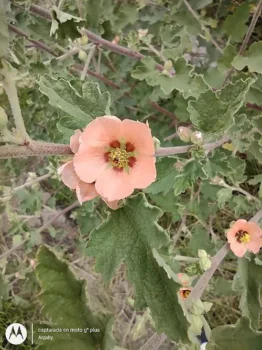
Latin Globemallow: A Colorful Non-Native Perennial for Your Garden
If you’re looking for a splash of warm color in your garden, you might have come across Latin globemallow (Sphaeralcea bonariensis). This cheerful perennial herb brings vibrant orange blooms to the landscape, but before you add it to your shopping list, let’s explore what makes this plant tick and whether it’s the right choice for your garden.
What Exactly Is Latin Globemallow?
Latin globemallow is a non-native perennial herb that has made its way to North America from its original home in South America. You might also see it listed under its scientific synonyms Sphaeralcea cisplatina or Sphaeralcea miniata in older gardening references. As a forb herb, it’s a non-woody plant that dies back to the ground each winter and returns the following spring from its perennating buds.
Where You’ll Find It Growing
Currently, Latin globemallow has established itself in New Jersey, where it reproduces spontaneously in the wild without human assistance. While it’s adapted to persist in this region, its limited distribution suggests it hasn’t become widespread across the United States.
- Species observed
- No observations
The Good, The Bad, and The Beautiful
Let’s be honest about what you’re getting with this plant. On the plus side, Latin globemallow offers eye-catching orange to reddish-orange flowers that resemble small hibiscus blooms. The gray-green foliage provides a nice contrast to the warm-colored flowers, creating visual interest throughout the growing season.
However, since this is a non-native species, you might want to consider whether there are native alternatives that could provide similar benefits while supporting local ecosystems. Native plants typically offer better support for local wildlife, including specialized relationships with native pollinators.
Garden Design and Landscape Use
If you decide to grow Latin globemallow, it works well in informal garden settings and naturalized areas. The bright flowers make it a good choice for adding color to perennial borders or dry garden designs. Its relatively low-maintenance nature means it won’t demand constant attention once established.
Growing Conditions and Care
Latin globemallow thrives in full sun locations with well-draining soil. Once established, it shows good drought tolerance, making it suitable for water-wise gardening. The plant typically grows in USDA hardiness zones 7-10, so gardeners in colder regions may need to treat it as an annual or provide winter protection.
Planting and Maintenance Tips
- Plant in full sun for best flowering
- Ensure good soil drainage to prevent root rot
- Water regularly during establishment, then reduce frequency
- Cut back spent flowers to encourage continued blooming
- Be aware that the plant may self-seed in favorable conditions
- Perform annual cleanup by cutting back dead stems in late winter
Pollinator and Wildlife Considerations
The nectar-rich flowers do attract bees and butterflies, providing some pollinator benefits. However, since this is a non-native species, it may not offer the same level of support to native wildlife as indigenous plants would.
Should You Plant Latin Globemallow?
The decision ultimately depends on your gardening goals. If you’re drawn to its colorful blooms and low-maintenance nature, Latin globemallow can be a reasonable addition to informal garden spaces. However, if supporting native ecosystems is a priority, consider researching native alternatives that offer similar aesthetic appeal.
Some native options to explore might include native Sphaeralcea species if you’re in the western United States, or other orange-flowering native perennials suitable for your specific region. Your local extension office or native plant society can provide excellent recommendations for native alternatives that will thrive in your area while supporting local wildlife.
Whatever you choose, happy gardening!