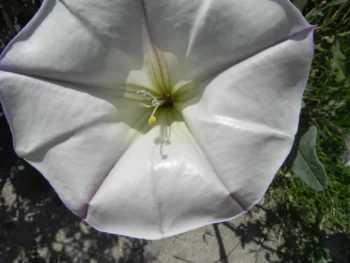
Latin Thorn-Apple: A Mysterious Annual with Limited Garden Appeal
If you’ve stumbled across the name Latin Thorn-Apple (Datura ceratocaula), you might be wondering whether this unusual plant deserves a spot in your garden. The short answer? It’s complicated. This annual forb is one of the lesser-known members of the Datura family, and frankly, there’s not a whole lot of information floating around about it.
What Exactly Is Latin Thorn-Apple?
Datura ceratocaula is an annual herbaceous plant – what botanists call a forb. Think of it as a non-woody plant that completes its entire life cycle in one growing season. Unlike its more famous cousins in the Datura family, this particular species keeps a pretty low profile in the plant world.
As a non-native species, Latin Thorn-Apple has established itself in the wild in New Mexico, where it reproduces without human intervention. However, it’s worth noting that we don’t have much data on whether it’s considered invasive or problematic in its adopted home.
Where Does It Grow?
Currently, Datura ceratocaula is documented as growing in New Mexico within the United States. Its presence seems quite limited compared to other Datura species that have spread more widely across the country.
- Species observed
- No observations
Should You Plant It in Your Garden?
Here’s where things get tricky. With limited information available about this specific species, it’s hard to make a strong recommendation either way. We don’t know enough about its:
- Specific growing requirements
- Mature size and spread
- Potential invasive tendencies
- Wildlife benefits or interactions
- Ornamental value
Given these unknowns, you might want to consider some well-documented native alternatives instead. If you’re drawn to unique annual flowers, look into native species that are better understood and proven to support local ecosystems.
What We Do Know About Growing Conditions
While specific care information for Datura ceratocaula is scarce, we can make some educated guesses based on other plants in the Datura genus. Most Datura species prefer:
- Full sun exposure
- Well-draining soil
- Moderate water (not too wet, not bone dry)
- Warm growing conditions
However, without species-specific research, these are just educated guesses rather than proven cultivation advice.
A Word of Caution
All Datura species contain toxic compounds and should be handled with care. Keep them away from children, pets, and livestock. Even if you’re curious about this plant, safety should always come first.
The Bottom Line
Latin Thorn-Apple remains something of an enigma in the gardening world. With so little known about its specific needs, benefits, and potential drawbacks, it’s hard to recommend it wholeheartedly. If you’re looking for interesting annual plants for your garden, you’ll probably have better luck (and more success) with well-documented native species that support local pollinators and wildlife.
Sometimes the most honest gardening advice is admitting when we just don’t know enough about a plant to give it our stamp of approval. Datura ceratocaula falls into that category – intriguing, but mysterious enough that you might want to look elsewhere for your next garden addition.