Leafy Broom: A Mediterranean Shrub for California Gardens
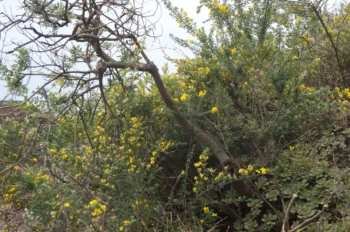
Meet leafy broom (Genista stenopetala), a cheerful shrub that’s made itself at home in California’s Mediterranean-like climate. While this perennial woody plant isn’t a California native, it has established itself as a naturalized resident that brings bright yellow blooms to gardens throughout the Golden State.
What is Leafy Broom?
Leafy broom is a multi-stemmed shrub that typically grows 13 to 16 feet tall, though it can sometimes reach greater heights depending on growing conditions. This perennial plant produces clusters of bright yellow, pea-like flowers that create a stunning spring display. You might also see it listed under its botanical synonyms Cytisus maderensis or Cytisus stenopetalus in some plant catalogs.
Where Does Leafy Broom Grow?
Originally hailing from the Portuguese island of Madeira, leafy broom has found a second home in California, where it reproduces naturally without human intervention. The plant thrives in USDA hardiness zones 9-11, making it well-suited to California’s mild coastal and inland climates.
- Species observed
- No observations
Why Consider (or Not Consider) Leafy Broom for Your Garden
There are several compelling reasons why gardeners might choose leafy broom:
- Stunning spring blooms that attract bees and other beneficial pollinators
- Excellent drought tolerance once established
- Low maintenance requirements
- Adaptable to various soil conditions
- Perfect for Mediterranean-style gardens and xerophytic landscapes
However, as a non-native species, leafy broom may not provide the same ecological benefits as indigenous plants. California gardeners concerned about supporting local ecosystems might consider native alternatives such as ceanothus species, which offer similar spring blooms and drought tolerance while supporting native wildlife.
Growing Leafy Broom Successfully
If you decide to add leafy broom to your landscape, you’ll find it refreshingly easy to grow:
Ideal Growing Conditions
- Sunlight: Full sun exposure for best flowering
- Soil: Well-draining soil is essential; the plant tolerates poor soils
- Water: Drought tolerant once established, requiring minimal supplemental watering
- Climate: Thrives in Mediterranean climates with mild, wet winters and dry summers
Planting and Care Tips
Plant leafy broom in fall or early spring when temperatures are mild. Choose a location with good drainage, as soggy soil can lead to root problems. Once established, this shrub requires very little care – a perfect choice for low-maintenance gardens!
Occasional pruning after flowering can help maintain the plant’s shape and encourage bushier growth. Remove any dead or damaged branches as needed throughout the year.
Garden Design Ideas
Leafy broom works beautifully in Mediterranean-themed gardens, coastal landscapes, and drought-tolerant plantings. Its bright yellow flowers create excellent contrast when planted alongside purple-flowered lavender or blue-bloomed rosemary. The shrub also makes an effective informal hedge or screen when planted in groups.
The Bottom Line
Leafy broom offers California gardeners a reliable, low-maintenance shrub with eye-catching spring blooms. While it may not be native, it has proven adaptable to local conditions and provides value for pollinators. Consider pairing it with native plants to create a diverse landscape that balances ornamental appeal with ecological responsibility.