Leafybract Dwarf Rush: A Tiny European Transplant in American Gardens
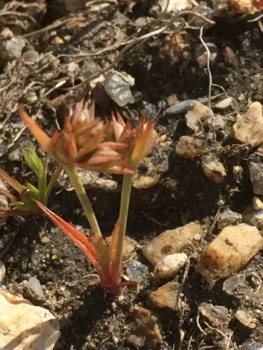
Meet the leafybract dwarf rush (Juncus capitatus), a petite member of the rush family that’s made itself at home in parts of the American South and West. This diminutive annual might not win any beauty contests, but it has carved out its own niche in specialized garden settings where size definitely doesn’t matter.
What Exactly Is Leafybract Dwarf Rush?
Don’t let the name fool you – this little guy is truly tiny! Growing just 2-8 inches tall, leafybract dwarf rush forms small tufts with dense, rounded flower heads that look almost like miniature pompoms. As an annual plant, it completes its entire life cycle in one growing season, making it a fleeting but interesting addition to the garden landscape.
This grass-like plant belongs to the rush family (Juncaceae), which means it’s more closely related to sedges than to true grasses. Its flowers are small and inconspicuous – definitely not the showstoppers of the plant world – but they have their own understated charm.
Where Does It Come From and Where Can You Find It?
Originally hailing from Europe and the Mediterranean region, leafybract dwarf rush is considered a non-native species in North America. It has established populations in Alabama, California, Louisiana, Oklahoma, and Texas, where it reproduces on its own without human intervention.
- Species observed
- No observations
Should You Plant It in Your Garden?
Here’s where things get interesting. While leafybract dwarf rush isn’t considered invasive (as far as we know), it’s also not a native plant. If you’re passionate about supporting local ecosystems, you might want to consider native alternatives instead. However, if you’re drawn to unique, low-growing plants for specialized garden areas, this little rush could be an option worth considering.
Growing Conditions and Care
Leafybract dwarf rush is surprisingly adaptable, though it does have some preferences:
- Soil: Thrives in sandy, well-draining soils
- Sunlight: Prefers full sun locations
- Water: Drought tolerant once established
- Climate: Best suited for USDA zones 8-11
The plant has a Facultative Upland wetland status across all regions, meaning it usually grows in non-wetland areas but can occasionally tolerate wetter conditions. This flexibility makes it suitable for various garden situations.
How to Grow Leafybract Dwarf Rush
Since this is an annual, you’ll need to plant it from seed each year (or let it self-seed if conditions are right). Direct sow seeds in fall or early spring when soil temperatures are cool. The tiny seeds need light to germinate, so barely cover them with soil.
Once established, this little rush is remarkably low-maintenance. It doesn’t require fertilization and actually prefers lean soils. Just provide good drainage and plenty of sunshine, and it should thrive.
Garden Design and Landscape Use
Leafybract dwarf rush works best in:
- Rock gardens where its small stature won’t be overwhelmed
- Mediterranean-style gardens that mimic its native habitat
- Naturalistic grassland plantings
- Areas where you want fine-textured, low ground cover
Wildlife and Pollinator Value
Since this is a wind-pollinated plant, it doesn’t offer much in the way of nectar or pollen for bees and butterflies. Its small seeds might provide food for some birds, but overall, its wildlife value is limited compared to native alternatives.
The Bottom Line
Leafybract dwarf rush is an intriguing little plant that fills a very specific niche. While it won’t be the star of your garden show, it could be a useful supporting player in the right setting. If you’re looking for native alternatives that provide similar fine texture and low growth, consider exploring native sedges or grasses suited to your region – they’ll likely provide better wildlife habitat while giving you that same delicate, grass-like aesthetic.
Remember, gardening is about finding plants that work for your specific conditions and design goals. Whether you choose this tiny European immigrant or opt for native alternatives, the most important thing is creating a garden space that brings you joy while being mindful of the broader ecosystem around you.