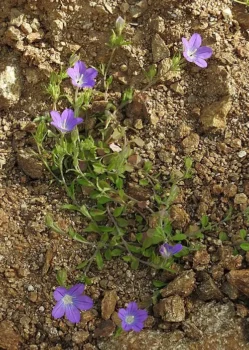
Legousia: A Delicate European Wildflower for Naturalized Gardens
If you’re looking for a dainty wildflower to add subtle charm to your garden, you might have come across Legousia. This unassuming little forb brings a touch of old-world elegance with its delicate blooms, though it comes with some considerations for the environmentally conscious gardener.
What Exactly is Legousia?
Legousia is a genus of annual and perennial forbs that originally hail from the Mediterranean region and Europe. As a non-native species, it has made itself at home in parts of the United States, particularly in California and Pennsylvania, where it reproduces on its own without human intervention.
This plant is what botanists call a forb – essentially a non-woody flowering plant that lacks the significant woody tissue you’d find in shrubs or trees. Think of it as nature’s version of a delicate garden accent piece.
- Species observed
- No observations
Why Consider Growing Legousia?
There are several reasons why gardeners might be drawn to this European transplant:
- Low-maintenance once established
- Attractive to small pollinators like bees
- Works well as ground cover in naturalized areas
- Adds delicate texture to wildflower gardens
- Adaptable to various soil conditions
Garden Design and Landscape Role
Legousia works best in informal, naturalized garden settings rather than formal flower beds. It’s particularly suited for:
- Wildflower meadows
- Prairie-style gardens
- Naturalized landscapes
- Areas where you want a wild look
The plant serves as an excellent filler, weaving between other flowers and providing a soft, textural backdrop for showier blooms.
Growing Conditions and Care
One of Legousia’s appealing qualities is its relatively easy-going nature. Here’s what it prefers:
- Sunlight: Full sun to partial shade
- Soil: Well-draining soil; adaptable to various soil types
- Water: Moderate moisture; drought-tolerant once established
- USDA Zones: Generally hardy in zones 3-9 (varies by specific species)
Planting and Care Tips
Growing Legousia successfully is refreshingly straightforward:
- Plant in spring after the last frost
- Scatter seeds in prepared soil or transplant seedlings
- Water regularly until established, then reduce frequency
- No fertilizer needed – it actually prefers lean soils
- Deadhead spent flowers to encourage continued blooming
- Allow some flowers to go to seed for natural reseeding
A Word About Native Alternatives
While Legousia can be a charming addition to informal gardens, it’s worth considering native alternatives that provide similar benefits while supporting local ecosystems. Depending on your region, you might explore native wildflowers that offer comparable delicate beauty and pollinator support.
Some excellent native alternatives include wild bergamot, native asters, or regional wildflower mixes that will provide the same naturalized look while supporting local wildlife and pollinators that have co-evolved with these plants.
The Bottom Line
Legousia can be a lovely addition to naturalized gardens, offering delicate blooms and easy care. However, as responsible gardeners, we should always consider the bigger picture. While this European native isn’t considered invasive, choosing native plants when possible helps support local ecosystems and wildlife.
If you do choose to grow Legousia, enjoy its subtle charm and low-maintenance nature – just remember to explore native options that might offer even greater benefits to your local environment.