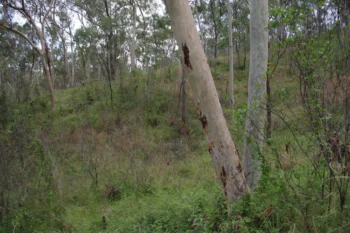
Lemon-Scented Gum: A Fragrant Giant for Large Landscapes
If you’ve ever walked past a lemon-scented gum tree on a warm day, you’ve probably stopped in your tracks. That delightful citrusy fragrance wafting from the leaves is unmistakable and utterly enchanting. The lemon-scented gum (Corymbia citriodora) is a striking tree that brings both beauty and fragrance to landscapes, though it’s definitely not a plant for small spaces!
What is Lemon-Scented Gum?
Lemon-scented gum is a perennial tree native to eastern Australia, formerly classified as Eucalyptus citriodora. This aromatic giant is characterized by its smooth, pale bark that peels away in long strips, revealing fresh, cream-colored bark underneath. The narrow, lance-shaped leaves release their signature lemony scent when crushed or even when warmed by the sun.
As a mature tree, lemon-scented gum typically grows as a single-trunked specimen reaching heights of 13-16 feet or more, though under ideal conditions it can grow much taller. The tree produces clusters of small, white to cream-colored flowers that are quite attractive to pollinators, particularly bees.
Where Does It Grow?
While native to Australia, lemon-scented gum has been introduced to various warm regions around the world. In the United States, you’ll find it growing in California, Hawaii, Guam, Puerto Rico, and other U.S. territories. The species reproduces spontaneously in the wild in these areas and has become well-established.
- Species observed
- No observations
Should You Plant Lemon-Scented Gum?
This is where things get interesting. Lemon-scented gum isn’t native to North America, which means it doesn’t provide the same ecological benefits as indigenous trees. However, it’s not currently listed as invasive or noxious, so it falls into that gray area of non-native but not necessarily harmful.
Reasons you might want to plant it:
- Incredible fragrance that perfumes the entire garden
- Beautiful, ever-changing bark that adds year-round interest
- Drought tolerance once established
- Fast growth rate
- Attracts pollinators with its flowers
Reasons you might want to skip it:
- Non-native species that doesn’t support local wildlife as effectively as native trees
- Requires a very large space to accommodate its size
- May drop branches and bark debris
- Can be messy around pools or patios
Native Alternatives to Consider
Before you fall head-over-heels for this fragrant beauty, consider some native alternatives that might offer similar benefits while supporting local ecosystems. Depending on your region, native oaks, maples, or other indigenous trees might provide comparable shade and beauty while offering superior wildlife habitat.
Growing Conditions and Care
If you do decide to plant lemon-scented gum, here’s what it needs to thrive:
Climate Requirements: This tree is suited for USDA hardiness zones 9-11. It loves warm, Mediterranean-style climates and won’t tolerate hard freezes.
Soil Preferences: Well-draining soil is essential. The tree is quite adaptable to different soil types but will struggle in waterlogged conditions. According to wetland status data, it typically grows in upland areas rather than wetlands.
Sun Requirements: Full sun is best for optimal growth and fragrance production.
Water Needs: Young trees need regular watering to establish, but mature specimens are quite drought tolerant.
Planting and Care Tips
Location, Location, Location: Give this tree plenty of room! It’s not suitable for small yards or areas near buildings, power lines, or other structures.
Planting: Plant in spring or fall when temperatures are moderate. Dig a hole twice as wide as the root ball but no deeper than the container.
Ongoing Care:
- Water regularly for the first 2-3 years until established
- Minimal pruning required – mainly remove dead or damaged branches
- Mulch around the base to retain moisture and suppress weeds
- Be prepared for some mess from dropping bark and leaves
The Bottom Line
Lemon-scented gum is undeniably beautiful and wonderfully fragrant, making it tempting for gardeners in warm climates. While it’s not invasive, its non-native status means it won’t provide the same ecological benefits as native trees. If you have the space and climate for it, and you’re willing to accept that it won’t be the best choice for supporting local wildlife, it can be a stunning addition to large landscapes. Just remember to research native alternatives first – you might find an equally gorgeous tree that better serves your local ecosystem!