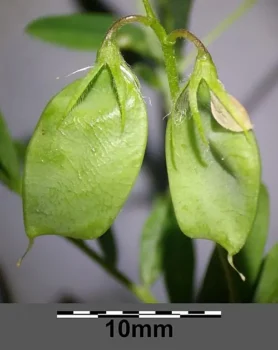
Growing Lentils: A Rewarding Cool-Season Crop for Your Garden
If you’re looking to add a nutritious, easy-to-grow legume to your garden, lentils (Lens culinaris) might be just the ticket. These compact annual plants have been feeding people for thousands of years, and they’re surprisingly simple to grow in home gardens across much of North America.
What Exactly Are Lentils?
Lentils are annual forb plants – essentially non-woody plants that complete their entire life cycle in one growing season. Also known by the botanical name Lens culinaris, they’re part of the legume family and have some pretty impressive aliases in the scientific world, including Cicer lens, Ervum lens, and Lens esculenta.
These aren’t native plants to North America – they originally hail from the Mediterranean region and Southwest Asia. However, they’ve found their way into gardens and occasionally into the wild across many states, including California, Connecticut, Idaho, Indiana, Louisiana, Maine, Maryland, Massachusetts, New Jersey, New York, Pennsylvania, Washington, and even parts of Canada like Ontario and Quebec.
- Species observed
- No observations
Why Consider Growing Lentils?
There are several compelling reasons to give lentils a spot in your garden:
- Nitrogen fixation: Like other legumes, lentils actually improve your soil by converting atmospheric nitrogen into a form plants can use
- Compact growth: They don’t take up much space, making them perfect for smaller gardens
- Pollinator friendly: Their small white, pink, or purple flowers attract bees and other beneficial insects
- Nutritious harvest: You’ll get protein-packed seeds that store well
- Cool weather crop: They thrive when many other plants struggle in cooler conditions
Garden Design and Landscape Role
Lentils work beautifully in vegetable gardens, edible landscapes, and even container gardens. Their delicate compound leaves and small flowers add a subtle ornamental touch while serving a practical purpose. They’re excellent companion plants for crops that benefit from the nitrogen they fix in the soil.
Growing Conditions and Care
Lentils are refreshingly low-maintenance once you understand their preferences:
- Sunlight: Full sun is best
- Soil: Well-drained soil is essential – they don’t like wet feet
- Temperature: Cool weather lovers that can handle light frosts
- Hardiness zones: Grown as annuals in USDA zones 2-7
- Fertilizer: Minimal fertilization needed thanks to their nitrogen-fixing abilities
Planting and Care Tips
Getting started with lentils is straightforward:
- Direct seed in early spring, about 2-4 weeks before your last expected frost
- Plant seeds about 1 inch deep and 2 inches apart
- Keep soil consistently moist during germination
- Once established, they’re quite drought tolerant
- Harvest when pods are dry and rattling – usually 90-110 days from planting
A Word About Native Alternatives
While lentils aren’t problematic as non-natives and make excellent garden crops, you might also consider native legumes like American groundnut (Apios americana) or partridge pea (Chamaecrista fasciculata) if you’re focused on supporting local ecosystems with indigenous plants.
The Bottom Line
Lentils offer gardeners a unique combination of practical benefits and gentle beauty. They’re not going to take over your landscape or cause ecological problems, but they will provide you with nutritious food, improve your soil, and support pollinators. For gardeners interested in edible landscaping or anyone wanting to try something a little different, lentils are definitely worth a try.