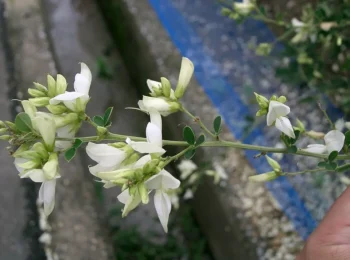
Lespedeza japonica: A Beautiful But Problematic Import
If you’ve stumbled across Lespedeza japonica while browsing plant catalogs or wandering through garden centers, you might be tempted by its delicate beauty and promises of easy care. But before you dig that hole in your garden, let’s have an honest chat about this East Asian import that’s causing quite a stir in North American landscapes – and not always in a good way.
What is Lespedeza japonica?
Lespedeza japonica is a small shrub belonging to the legume family, originally hailing from the far reaches of East Asia, including Japan, Korea, and China. This modest-looking plant produces clusters of small purple to pink flowers that bloom in late summer and fall, creating a carpet of color when many other plants are winding down for the season.
The plant features the characteristic trifoliate leaves (three leaflets per leaf) common to many legumes, giving it a somewhat clover-like appearance. Don’t let its unassuming looks fool you though – this little shrub has big ambitions when it comes to spreading across the landscape.
The Not-So-Great News: Invasive Tendencies
Here’s where we need to pump the brakes on any planting enthusiasm. Lespedeza japonica has earned a reputation as an invasive species in many parts of North America. This means it has a tendency to escape cultivation, spread aggressively, and outcompete our native plants for resources.
While it might look charming in a garden setting, this species can quickly become the uninvited guest that never leaves – and brings all its friends along for the party. The plant readily self-seeds and can form dense colonies that crowd out native vegetation, disrupting local ecosystems that wildlife depend on.
Why Gardeners Might Be Tempted
It’s easy to see why Lespedeza japonica caught gardeners’ attention in the first place:
- Attractive late-season flowers that provide color when many plants are fading
- Extremely low maintenance once established
- Drought tolerant and adaptable to various soil conditions
- Flowers attract pollinators like bees and butterflies
- Useful for erosion control on slopes
- Hardy in USDA zones 5-9
Our Recommendation: Skip This One
Despite its attractive qualities, we strongly recommend against planting Lespedeza japonica in your garden. The environmental risks simply outweigh the aesthetic benefits. As responsible gardeners, we have the power to choose plants that enhance rather than harm our local ecosystems.
Native Alternatives That Deliver
Don’t worry – you don’t have to sacrifice beauty for environmental responsibility! Here are some fantastic native alternatives that can give you similar benefits without the invasive baggage:
- Wild bergamot (Monarda fistulosa) – Purple-pink flowers, pollinator magnet
- Purple prairie clover (Dalea purpurea) – Similar flower color, drought tolerant
- New England aster (Symphyotrichum novae-angliae) – Late-season purple blooms
- Wild lupine (Lupinus perennis) – Fellow legume with stunning flower spikes
If You Already Have It
If Lespedeza japonica has already made itself at home in your landscape, consider removal and replacement with native alternatives. The best time for removal is before the plants set seed, typically in early to mid-summer. Be prepared for some persistence – you may need to monitor the area for several years to catch any regrowth from missed roots or seeds.
The Bottom Line
While Lespedeza japonica might seem like an easy-care solution for challenging garden spots, its invasive nature makes it a poor choice for responsible gardeners. By choosing native alternatives instead, you’ll get all the beauty and benefits you’re looking for while supporting local wildlife and preserving the integrity of our native plant communities. Your garden – and your local ecosystem – will thank you for it!