Lesser Galangal: A Spicy Addition to Your Tropical Garden
If you’ve ever wandered through an Asian grocery store and wondered about those knobby, pale rhizomes sitting next to the ginger, you’ve probably encountered lesser galangal (Alpinia officinarum). This aromatic member of the ginger family brings both culinary excitement and ornamental appeal to warm-climate gardens, though it’s definitely not for everyone or every garden.
What Exactly Is Lesser Galangal?
Lesser galangal goes by the botanical name Alpinia officinarum, and you might occasionally see it listed under its synonym Languas officinarum. This tropical perennial hails from Southeast Asia, particularly southern China, Thailand, and Hainan Island, where it’s been cultivated for centuries both as a spice and medicinal plant.
Unlike its more famous cousin ginger, lesser galangal has a sharper, more pine-like flavor that’s essential in Thai and Chinese cooking. But beyond the kitchen, this plant offers some serious ornamental value for the right garden setting.
The Good, The Bad, and The Beautiful
Let’s be honest – lesser galangal isn’t going to work for every gardener. Here’s what you need to know:
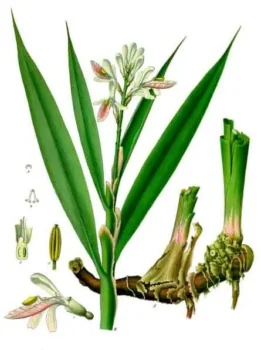
The appealing aspects: Lesser galangal produces attractive, lance-shaped green leaves that create a lovely tropical texture in the landscape. When it blooms, you’ll get delicate white flowers with pink tips arranged in terminal spikes. The plant forms neat clumps that typically reach 3-6 feet tall and 2-3 feet wide, making it a manageable size for most gardens.
The challenging aspects: This plant is seriously picky about its growing conditions. It demands warm temperatures year-round, high humidity, and consistent moisture – basically, it wants to live in a tropical paradise. If you’re not in USDA zones 9-11, you’re looking at container cultivation and possibly bringing it indoors during winter.
Where Does Lesser Galangal Fit in Your Garden?
Lesser galangal works beautifully in several garden settings:
- Tropical and subtropical landscapes as an accent plant
- Herb gardens where you want to grow your own Southeast Asian spices
- Container gardens that can be moved indoors
- Greenhouse collections
- Rain gardens or areas with consistent moisture
The plant prefers partial shade to filtered light – think dappled sunlight under taller plants rather than blazing full sun. It pairs beautifully with other tropical foliage plants like elephant ears, bananas, and other gingers.
Growing Lesser Galangal Successfully
Ready to give it a try? Here’s how to keep lesser galangal happy:
Soil requirements: Well-draining but moisture-retentive soil rich in organic matter. Think compost-amended garden soil that doesn’t get waterlogged but never completely dries out.
Watering: Consistent moisture is key – the soil should feel like a wrung-out sponge. During growing season, this might mean daily watering in containers or hot climates.
Temperature: Thrives in temperatures between 70-85°F. Below 50°F, the plant goes dormant or dies back.
Humidity: High humidity is essential. If growing indoors or in dry climates, use humidity trays or groupings with other plants.
Fertilizing: Feed monthly during growing season with a balanced, organic fertilizer. Compost or well-aged manure works wonderfully.
Planting and Care Tips
Plant rhizome pieces in spring when soil temperatures warm up. Each piece should have at least one growing eye. Plant about 2 inches deep and 18-24 inches apart if growing multiple plants.
The rhizomes are typically ready to harvest after 8-10 months of growth, though you can certainly grow the plant purely for ornamental purposes and leave the rhizomes in the ground.
In cooler climates, treat lesser galangal like you would dahlias – dig up the rhizomes before first frost and store them indoors over winter in slightly moist peat moss or sawdust.
Wildlife and Pollinator Benefits
While lesser galangal isn’t a native plant powerhouse for local wildlife, the flowers may attract some pollinators when in bloom. However, don’t count on it as a major pollinator magnet – it’s more of a bonus than a primary wildlife plant.
Consider Native Alternatives
Since lesser galangal isn’t native to North America, you might want to consider some native alternatives that provide similar tropical texture and wildlife benefits. Wild ginger (Asarum canadense) offers interesting foliage in shadier spots, while native sedges and grasses can provide similar textural interest with much better wildlife value and easier care.
The Bottom Line
Lesser galangal is a lovely specialty plant for gardeners who want to grow their own exotic spices or add authentic tropical flair to warm-climate gardens. Just be prepared for some high-maintenance romance – this plant knows what it wants and isn’t shy about demanding it. If you’re up for the challenge and have the right growing conditions, lesser galangal can be a rewarding addition that connects your garden to centuries of culinary tradition.
For most gardeners, especially those in cooler climates, container growing might be the most practical approach. This way, you can provide the controlled conditions lesser galangal craves while still enjoying its unique beauty and flavor potential.