Lesser Hawkbit: A European Wildflower That’s Made Itself at Home
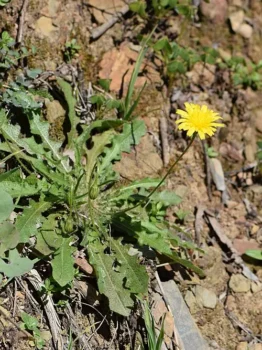
If you’ve ever spotted small, bright yellow flowers that look suspiciously like tiny dandelions dotting your lawn or garden, you might have encountered lesser hawkbit (Leontodon taraxacoides). This cheerful little European transplant has quietly established itself across much of North America, bringing its sunny disposition to gardens, roadsides, and disturbed soils from coast to coast.
What Exactly Is Lesser Hawkbit?
Lesser hawkbit is a small forb—essentially a non-woody flowering plant—that can live as an annual, biennial, or perennial depending on conditions. Originally from Europe and western Asia, this adaptable little plant has made itself quite comfortable in its adopted North American home. You might also see it listed under its synonym, Leontodon saxatilis, in older gardening references.
The plant forms neat rosettes of deeply lobed leaves that hug the ground, sending up slender stems topped with bright yellow, dandelion-like flowers. It’s one of those plants that might go unnoticed until it blooms, then suddenly catches your eye with its cheerful display.
Where You’ll Find It Growing
Lesser hawkbit has spread widely across North America, establishing populations in states from Alabama to Washington, and north into British Columbia and Ontario. It’s particularly common in areas with disturbed soils, along roadsides, in lawns, and in open grasslands.
- Species observed
- No observations
The Garden Personality of Lesser Hawkbit
This is a plant with a decidedly informal personality. Lesser hawkbit isn’t going to win any awards for garden elegance, but it has some endearing qualities that make it worth considering—or at least tolerating—in the right setting.
What It Brings to the Garden
- Bright yellow flowers that bloom from spring through fall
- Low-growing rosettes that can fill gaps in disturbed areas
- Remarkable drought tolerance once established
- Ability to grow in poor soils where other plants struggle
- Nectar source for bees, butterflies, and other small pollinators
Growing Conditions
Lesser hawkbit is refreshingly undemanding. It thrives in full sun and adapts to a wide range of soil types, though it seems particularly at home in sandy or gravelly soils. The plant prefers upland conditions—it’s not one for wet feet and rarely appears in wetland areas across most of its range.
This hardy little plant can handle USDA zones 3-9, making it suitable for most temperate North American gardens. It’s remarkably drought-tolerant once established, which explains its success in disturbed and poor soils where other plants might struggle.
Should You Plant Lesser Hawkbit?
Here’s where things get interesting. Lesser hawkbit occupies that middle ground many gardeners find themselves navigating—it’s not native, but it’s not particularly problematic either. It tends to mind its own business, doesn’t aggressively crowd out other plants, and provides some ecological benefits through its pollinator support.
Consider Growing It If:
- You have poor, dry soil where native plants struggle
- You’re looking for low-maintenance ground cover for informal areas
- You want to support small pollinators with early season nectar
- You appreciate the cottage garden aesthetic of naturalized wildflowers
Skip It If:
- You prefer a formal, manicured garden look
- You’re committed to strictly native plantings
- You don’t want plants that self-seed freely
Native Alternatives to Consider
If you love the idea of small, yellow, dandelion-like flowers but prefer native options, consider these alternatives depending on your region:
- Fall-blooming dandelion (Taraxacum erythrospermum) – though this is also non-native
- Native hawkweeds (Hieracium species) where appropriate
- Wild columbine (Aquilegia canadensis) for similar cottage garden charm
- Regional native asters for late-season pollinator support
Growing and Care Tips
If lesser hawkbit has already appeared in your garden, or if you decide to welcome it, here’s what you need to know:
- Planting: Seeds germinate easily in spring or fall when temperatures are cool
- Watering: Water during establishment, then let natural rainfall take over
- Soil: Adaptable to most soil types, actually prefers lean soils over rich ones
- Maintenance: Deadhead flowers if you want to prevent self-seeding
- Spacing: Plants will naturally space themselves through self-seeding
The Bottom Line
Lesser hawkbit is one of those plants that generates mixed feelings among gardeners. It’s not going to transform your landscape or solve major garden challenges, but it’s also not going to cause problems. If you’re looking for a low-maintenance plant that brings a touch of wild charm to informal areas, it might just fit the bill. Just remember that in our interconnected ecosystems, native plants almost always provide greater benefits to local wildlife—so consider lesser hawkbit a pleasant addition rather than a cornerstone of wildlife-friendly gardening.
Whether you embrace it or simply tolerate its presence, lesser hawkbit represents the reality of modern gardening: sometimes the most successful plants are the ones that choose us, rather than the ones we choose.