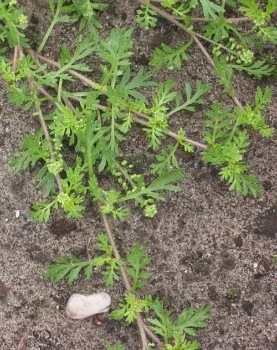
Lesser Swinecress: The Uninvited Garden Guest You Should Know About
If you’ve noticed a small, low-growing plant with deeply divided leaves and tiny white flowers popping up in your garden beds or lawn, you might be looking at lesser swinecress (Coronopus didymus). This little forb has quite the story to tell, and while it’s not exactly what you’d call a showstopper, it’s worth understanding what you’re dealing with.
What Exactly Is Lesser Swinecress?
Lesser swinecress, also simply called swinecress, is an annual to biennial forb that belongs to the mustard family. As a forb, it’s a non-woody plant that stays relatively close to the ground, with its growing points at or below soil level. You might also encounter it under its former scientific names, including Lepidium didymum or Carara didyma, but Coronopus didymus is the current accepted name.
This plant has a rather unremarkable appearance – it forms low, spreading mats with finely divided, almost feathery leaves and produces clusters of tiny white flowers. It’s definitely not winning any beauty contests, but it has a tenacious spirit that’s helped it spread far and wide.
Where Did It Come From and Where Is It Now?
Originally from South America (particularly Argentina, Chile, and Uruguay), lesser swinecress has become quite the world traveler. It’s now established as a non-native species across North America, reproducing freely in the wild and persisting without any help from gardeners.
You can find this plant throughout most of the United States, from Alabama to Wisconsin, and from coast to coast. It’s also made itself at home in several Canadian provinces, Hawaii, and Puerto Rico. Basically, if you live in North America, there’s a good chance lesser swinecress is somewhere in your neighborhood.
- Species observed
- No observations
Should You Plant Lesser Swinecress?
Here’s the thing – most gardeners don’t actually choose to plant lesser swinecress. It tends to invite itself into gardens, lawns, and disturbed areas without any encouragement. While it’s not currently classified as invasive in most areas, it’s generally considered more of a weedy volunteer than a desirable garden addition.
The plant offers minimal aesthetic appeal and limited benefits to pollinators, as its tiny flowers primarily attract small insects rather than the bees and butterflies most gardeners hope to support.
Growing Conditions and Hardiness
If lesser swinecress does appear in your garden (and it probably will at some point), you’ll find it’s quite adaptable. It thrives in:
- Disturbed soils
- Garden beds and borders
- Lawn areas
- Roadsides and waste places
- Areas with regular moisture, though it tolerates various conditions
As an annual to biennial plant, it can handle a wide range of USDA hardiness zones, roughly zones 4-10, primarily because it completes its life cycle and produces seeds before harsh conditions set in.
Better Native Alternatives
If you’re looking for low-growing plants with interesting foliage for your garden, consider these native alternatives instead:
- Wild ginger for shaded areas with attractive heart-shaped leaves
- Native sedges for textural interest in various conditions
- Regional native groundcovers that support local wildlife
- Native wildflowers that provide better pollinator support
Managing Lesser Swinecress in Your Garden
Since this plant tends to show up on its own, you’re more likely to be managing it rather than trying to grow it. If you want to control its spread:
- Hand-pull young plants before they set seed
- Maintain healthy, dense plantings of desirable plants to reduce open space
- Address soil disturbance that creates ideal conditions for establishment
- Consider it a temporary placeholder while establishing more permanent plantings
The Bottom Line
Lesser swinecress is one of those plants that’s more interesting from an ecological perspective than a gardening one. While it’s not particularly harmful, it’s also not particularly beneficial for most garden goals. If you spot it in your landscape, you can simply treat it as part of the natural succession of plants that appear in disturbed areas, or manage it as needed to make room for more intentional plantings.
Remember, the best defense against uninvited plants is usually a good offense – maintaining healthy, well-established garden beds with plants you actually want tends to leave less room for surprise visitors like lesser swinecress to take hold.