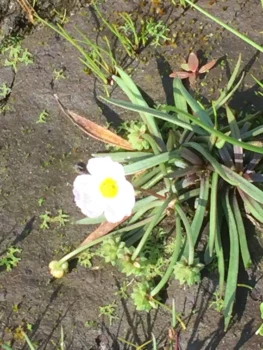
Lesser Waterplantain: A Small But Charming Aquatic Addition
If you’re looking to add some delicate charm to your water garden or pond margins, lesser waterplantain (Baldellia ranunculoides) might catch your eye. This petite perennial aquatic plant brings a touch of European elegance to North American water features, though it’s worth knowing what you’re getting into before you dive in.
What Exactly Is Lesser Waterplantain?
Lesser waterplantain is a small aquatic perennial that’s part of the water-plantain family. Don’t let the lesser in its name fool you – while it may be diminutive compared to its larger cousins, this little plant packs plenty of personality. You might also see it listed under its scientific synonyms Alisma ranunculoides or Echinodorus ranunculoides in older gardening references.
Originally hailing from Europe and western Asia, this aquatic wanderer has made its way to North America, where it’s established small populations in Washington state and Newfoundland. It’s considered non-native but has managed to naturalize in these areas without human intervention.
Where You’ll Find It Growing
In North America, lesser waterplantain has a rather limited distribution. You’ll find it growing wild in Washington state and Newfoundland, where it’s adapted to local conditions and reproduces on its own. While its range is quite restricted compared to many other aquatic plants, it seems content in these cooler, northern climates.
- Species observed
- No observations
Garden Appeal and Landscape Role
Lesser waterplantain brings a subtle beauty to water features with its small white flowers that bloom above narrow, grass-like leaves. The plant typically stays compact, making it perfect for smaller water gardens or as an accent along pond edges. Its flowers, while modest in size, can attract pollinators to your water garden during the blooming season.
This plant works best as:
- A marginal plant around pond edges
- An accent in bog gardens
- Part of a naturalistic water feature design
- A component in wildlife-friendly aquatic plantings
Growing Conditions and Care
Lesser waterplantain is fairly straightforward to grow if you can meet its basic needs. As you might expect from an aquatic plant, it’s all about the water!
Ideal conditions include:
- Shallow water (2-6 inches deep) or consistently wet soil
- Full sun to partial shade
- USDA hardiness zones 5-9
- Cool to moderate temperatures
Planting and Maintenance Tips
Getting lesser waterplantain established is relatively simple. Plant it in shallow water along your pond margins or in containers submerged to the right depth. Once established, it requires minimal care – just ensure it doesn’t dry out completely and remove any dead foliage as needed.
The plant will typically spread slowly through underground rhizomes, so don’t expect rapid coverage. This slow growth habit actually makes it easier to manage in smaller water features.
Should You Plant It?
While lesser waterplantain isn’t problematic as an invasive species, it’s worth considering native alternatives that might better support local wildlife and ecosystems. Some excellent North American native options for similar roles include:
- American water-plantain (Alisma subcordatum)
- Arrowhead species (Sagittaria spp.)
- Native sedges and rushes
If you do choose to grow lesser waterplantain, you’ll find it’s a well-behaved addition that won’t take over your water garden. Just remember that supporting native plants when possible helps maintain the ecological connections that benefit local wildlife and pollinators.
The Bottom Line
Lesser waterplantain offers quiet charm for water gardeners who appreciate subtle beauty over showstopping displays. While it may not be native to North America, it’s not causing ecological problems either. Whether you choose this European transplant or opt for native alternatives, the key is creating a water feature that brings you joy while being mindful of the broader ecosystem around you.