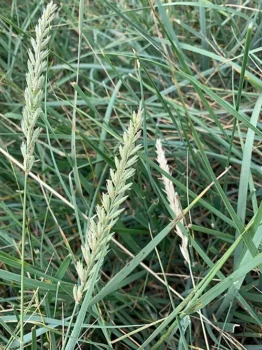
Leymus paboanus: The Mystery Grass That’s Got Botanists Scratching Their Heads
Ever stumble across a plant name that makes you feel like you’ve discovered botanical treasure? Well, Leymus paboanus might just be that plant—though it’s more of a botanical mystery than a garden-center regular. This elusive grass has managed to fly under the radar of most gardening resources, making it one of those now you see it, now you don’t species that keeps plant enthusiasts intrigued.
What We Actually Know
Here’s the straight scoop on Leymus paboanus: it belongs to the grass family (Poaceae) and falls under the Leymus genus, which includes the wildrye grasses. It’s also been known by the synonym Elymus paboanus Claus, though that doesn’t help us much either in terms of finding detailed growing information.
The Leymus genus generally includes bunch grasses that are known for their resilience and ability to thrive in challenging conditions. These grasses typically form clumps and can be quite architectural in the landscape, but without specific information about L. paboanus, we’re left connecting dots that might not even be there.
The Information Gap
Unfortunately, reliable details about this particular species are scarce. We don’t have confirmed information about:
- Its native range or geographic distribution
- Specific growing requirements or hardiness zones
- Wildlife and pollinator benefits
- Typical size, appearance, or growth habits
- Whether it’s currently available in the nursery trade
Should You Try to Grow It?
Here’s where things get tricky. Without confirmed information about this grass’s native status, invasive potential, or even its basic growing requirements, it’s tough to recommend it for your garden. Plus, if you can’t find it at nurseries or seed suppliers, that’s usually a pretty good indicator that it’s either extremely rare, regionally specific, or possibly no longer in common cultivation.
Better Alternatives to Consider
If you’re drawn to the idea of growing a Leymus species, consider these well-documented alternatives that are readily available and have proven garden value:
- Blue wildrye (Elymus glaucus) – A native bunch grass with attractive blue-green foliage
- Canada wildrye (Elymus canadensis) – Great for naturalized areas and wildlife habitat
- Basin wildrye (Leymus cinereus) – A tall, dramatic grass for larger landscapes
The Bottom Line
Sometimes in the gardening world, we encounter plants that remain tantalizingly out of reach—either because they’re rare, regionally specific, or simply haven’t been well-documented in horticultural literature. Leymus paboanus appears to fall into this category.
Rather than chase after this botanical ghost, your time and garden space might be better served by choosing well-established native grasses with known benefits and growing requirements. After all, the best garden plants are the ones you can actually find, grow successfully, and enjoy for years to come.
If you do happen to encounter this mysterious grass in your botanical travels, consider yourself lucky—and maybe snap a photo to share with the plant identification community. Sometimes the most interesting plants are the ones that keep us guessing!