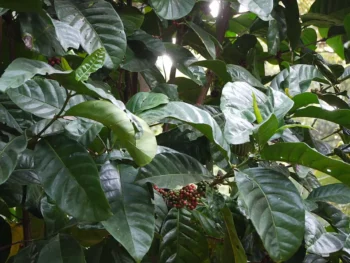
Liberian Coffee: A Tropical Beauty for Warm Climate Gardens
If you’re dreaming of adding a touch of tropical elegance to your garden, Liberian coffee (Coffea liberica) might just catch your eye. This striking shrub brings the allure of coffee cultivation right to your backyard, complete with glossy leaves, fragrant blooms, and those iconic red coffee cherries we all recognize.
What is Liberian Coffee?
Liberian coffee is a perennial woody shrub that typically grows 13 to 16 feet tall, though it can stretch taller under ideal conditions. Also known by its botanical name Coffea liberica, this plant belongs to the coffee family and produces the actual coffee beans used in some specialty brews. You might also see it referred to by its synonyms Coffea dewevrei or Coffea excelsa in older gardening literature.
Where Does It Come From?
Originally native to West and Central Africa—particularly Liberia, Sierra Leone, and the Ivory Coast—this coffee species has found its way to various tropical locations around the world. In the United States, you’ll find it growing in Guam, Palau, and Puerto Rico, where it has established itself as a non-native species that reproduces on its own in the wild.
- Species observed
- No observations
Why Consider (or Not Consider) Liberian Coffee?
Before you fall head over heels for this tropical beauty, let’s weigh the pros and cons:
The Appeal:
- Stunning aesthetic with large, glossy dark green leaves
- Fragrant white flowers that attract bees and other pollinators
- Interesting red coffee cherries that add visual interest
- Conversation starter—you’ll be growing actual coffee!
- Works beautifully as a specimen plant or tropical accent
The Considerations:
- Limited to very warm climates (USDA zones 10-12)
- Not native to mainland United States
- May not provide the same ecological benefits as native plants
- Requires specific growing conditions to thrive
Since Liberian coffee isn’t considered invasive, you’re free to grow it if your climate allows. However, you might also consider native alternatives that provide similar aesthetic appeal while supporting local ecosystems.
Perfect Growing Conditions
Liberian coffee is particular about its living situation. This plant prefers partial shade—think dappled sunlight filtering through taller trees rather than blazing full sun. In terms of water, it likes consistent moisture without being waterlogged. The plant typically has an Obligate Upland status in the Caribbean, meaning it rarely occurs in wetland areas, though it shows more flexibility in Hawaii as Facultative Upland.
Key growing requirements include:
- Well-draining soil that stays consistently moist
- Partial shade to filtered sunlight
- Warm temperatures year-round (USDA zones 10-12)
- Protection from strong winds
- High humidity levels
Planting and Care Tips
Getting your Liberian coffee established requires a gentle touch and attention to detail:
- Location: Choose a spot with morning sun and afternoon shade
- Soil: Ensure excellent drainage while maintaining moisture
- Watering: Keep soil consistently moist but never soggy
- Mulching: Apply organic mulch to retain moisture and suppress weeds
- Fertilizing: Feed occasionally with a balanced, organic fertilizer
- Pruning: Minimal pruning needed—just remove dead or damaged branches
Garden Design Ideas
Liberian coffee works wonderfully in tropical and subtropical garden designs. Use it as an understory plant beneath taller trees, or let it shine as a specimen plant in a prominent location. It’s perfect for botanical collections, shade gardens, or anywhere you want to create that lush, tropical feel.
The plant’s multi-stemmed growth habit creates natural texture and movement in the landscape, while those glossy leaves provide year-round interest even when it’s not flowering or fruiting.
Supporting Pollinators
One of the delightful benefits of growing Liberian coffee is watching the bees and other pollinators flock to its fragrant white flowers. These blooms appear periodically throughout the growing season and provide a valuable nectar source for beneficial insects in your garden.
The Bottom Line
Liberian coffee can be a stunning addition to warm-climate gardens, offering unique beauty and the novelty of homegrown coffee beans. While it’s not native to the mainland United States, it’s not considered problematic either. If you’re in the right climate zone and love the idea of a tropical coffee plant, go for it! Just remember to also consider incorporating native plants that provide similar aesthetic appeal while supporting your local ecosystem.
Whether you choose Liberian coffee or native alternatives, the key is creating a garden that brings you joy while being mindful of your local environment. Happy gardening!