Lilac Tasselflower: A Little-Known Annual with Purple Charm
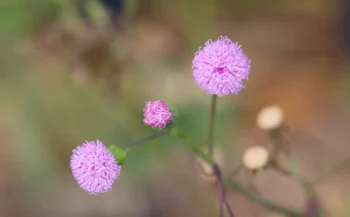
Meet the lilac tasselflower (Emilia sonchifolia var. javanica), a petite annual that might just be flying under your gardening radar. With its delicate purple tassel-like blooms, this little forb brings a subtle splash of color wherever it grows. But before you go hunting for seeds, there are some important things every gardener should know about this somewhat mysterious plant.
What Exactly Is Lilac Tasselflower?
Lilac tasselflower is an annual forb, which is just a fancy way of saying it’s a non-woody plant that completes its entire life cycle in one year. As a member of the aster family, it produces those characteristic tassel-like flowers that give it its charming common name. You might also see it listed under its botanical synonym, Emilia javanica.
This plant falls into the category of herbaceous forbs – meaning it lacks any significant woody tissue and keeps its growing points at or below ground level. Think of it as nature’s way of creating a low-maintenance, one-season wonder.
Where Does It Call Home?
Here’s where things get a bit complicated. While the broader species originates from Southeast Asia (particularly the Java region, hence the variety name javanica), this specific variety has found its way to Hawaii, where it now grows and reproduces on its own in the wild.
Currently, you’ll find Emilia sonchifolia var. javanica established in Hawaii, where it has become part of the naturalized flora.
- Species observed
- No observations
The Native Plant Consideration
Let’s address the elephant in the garden: lilac tasselflower is not native to North America. While it’s not currently listed as invasive or noxious, it’s worth considering whether there might be native alternatives that could provide similar benefits to your local ecosystem.
If you’re gardening in Hawaii, you might want to explore native Hawaiian plants that could fill a similar role in your landscape design. Native plants typically offer better support for local wildlife, including native pollinators and birds.
What We Know (And Don’t Know) About Growing It
Here’s where we need to be honest: specific growing information for Emilia sonchifolia var. javanica is surprisingly limited. While the broader species is better documented, this particular variety hasn’t received much attention in horticultural circles.
What we do know:
- It’s an annual, so it completes its life cycle in one growing season
- It produces attractive lilac-colored, tassel-like flowers
- As a forb, it’s herbaceous and relatively low-growing
- It has naturalized in Hawaiian conditions, suggesting it can adapt to tropical climates
Should You Grow Lilac Tasselflower?
The honest answer? It depends on your gardening goals and location. If you’re specifically in Hawaii and drawn to this plant’s unique flowers, it could be an interesting addition to your garden. However, the limited available information about its specific growing requirements, potential ecological impact, and ornamental value makes it a bit of a gardening gamble.
Consider these factors:
- Limited growing information makes successful cultivation uncertain
- As a non-native plant, it may not provide optimal benefits to local wildlife
- Its naturalized status suggests it can spread on its own
- Native alternatives likely exist that could provide similar aesthetic value with greater ecological benefits
The Bottom Line
Lilac tasselflower represents one of those interesting botanical mysteries – a plant that’s made itself at home in new territory but hasn’t quite made it into mainstream horticulture. While its purple tassels might catch your eye, the lack of specific growing information and its non-native status suggest that exploring native alternatives might be your best bet for a successful, eco-friendly garden.
If you’re determined to try growing it, approach it as an experiment, and always source plants or seeds responsibly. Remember, the best gardens are those that work in harmony with their local ecosystems, supporting native wildlife while bringing beauty to our outdoor spaces.