Lilacbell: A Night-Blooming Charmer for Your Garden
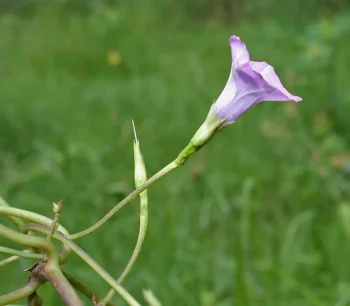
If you’re looking for a flowering vine that puts on its best show when the sun goes down, meet the lilacbell (Ipomoea turbinata). This enchanting climber, also known as purple moonflower, transforms your garden into an evening spectacle with its gorgeous purple trumpet-shaped blooms that unfurl as darkness falls.
What Makes Lilacbell Special?
Lilacbell is an annual flowering vine that belongs to the morning glory family, though it prefers the opposite schedule of its famous cousins. While morning glories greet the dawn, lilacbell saves its energy for twilight performances. The heart-shaped leaves create a lush green backdrop for the star attraction: those stunning purple flowers that can reach 3-4 inches across.
You might also see this plant listed under several other names in catalogs or seed packets, including its botanical synonyms like Ipomoea muricata or Calonyction muricatum. Don’t let the multiple names confuse you – they’re all referring to the same delightful night bloomer.
Where Does Lilacbell Grow?
Originally from tropical regions of Central America, the Caribbean, and northern South America, lilacbell has found a home in several U.S. states where it now grows wild. You’ll find established populations in Arkansas, Florida, Georgia, Kentucky, Louisiana, Mississippi, North Carolina, South Carolina, and Texas.
- Species observed
- No observations
Is Lilacbell Right for Your Garden?
As a non-native species that has naturalized in parts of the United States, lilacbell occupies an interesting middle ground in the gardening world. While it’s not considered invasive or harmful, it’s worth noting that it didn’t originally call North America home. If you’re passionate about supporting local ecosystems, you might want to consider native alternatives like wild bergamot or native honeysuckle species that provide similar climbing beauty while supporting local wildlife.
That said, lilacbell does offer some genuine benefits:
- Attracts nocturnal pollinators like moths and night-flying insects
- Provides quick-growing privacy screening during the growing season
- Creates a unique evening garden experience with fragrant night blooms
- Easy to grow from seed with minimal maintenance required
Growing Conditions and Care
Lilacbell is surprisingly easy-going for such a dramatic plant. Here’s what it needs to thrive:
Climate: Hardy in USDA zones 8-11, but can be grown as an annual in cooler regions. The plant won’t survive frost, so northern gardeners should treat it as a summer annual.
Light: Prefers full sun to partial shade. At least 6 hours of sunlight daily will give you the best flowering performance.
Soil: Not particularly fussy about soil type, but appreciates well-draining conditions. Average garden soil works just fine.
Water: Moderate water needs. Keep soil consistently moist but not waterlogged during the growing season.
Planting and Care Tips
Getting started with lilacbell is straightforward:
- Start seeds indoors 4-6 weeks before your last expected frost, or direct sow after soil warms in spring
- Soak seeds overnight before planting to improve germination rates
- Provide sturdy support structures like trellises, fences, or arbors – this vine can climb 6-10 feet in a single season
- Space plants 12-18 inches apart if growing multiple vines
- Water regularly during establishment, then reduce frequency once established
- Deadhead spent flowers to encourage continued blooming, though you might want to leave some for seed collection
Design Ideas and Garden Roles
Lilacbell shines in several garden scenarios:
- Evening gardens: Perfect centerpiece for moon gardens or spaces designed for nighttime enjoyment
- Privacy screens: Quick seasonal coverage for fences, ugly walls, or property lines
- Cottage gardens: Adds romantic, old-fashioned charm when allowed to scramble over arbors
- Container growing: Works well in large pots with obelisk or trellis support
The Bottom Line
Lilacbell offers gardeners a unique opportunity to create evening magic in their landscapes. While it’s not a native species, it’s also not problematic enough to avoid entirely. If you choose to grow it, you’ll be rewarded with stunning night-blooming flowers and the gentle evening fragrance that makes twilight garden strolls extra special. Just remember to consider native alternatives that might provide similar benefits while supporting local wildlife populations.
Whether you’re creating a moon garden, need quick seasonal privacy, or simply want to try something a little different, lilacbell might just be the purple-flowered charmer your garden has been waiting for.