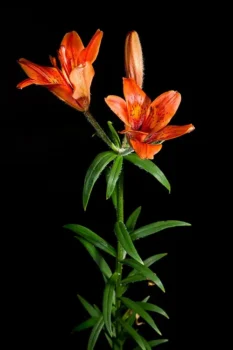
Lilium pensylvanicum: A Mysterious Lily Worth Understanding
If you’ve stumbled across the name Lilium pensylvanicum while researching native lilies, you might find yourself scratching your head—and for good reason! This particular botanical name presents quite the puzzle for gardeners and plant enthusiasts alike.
The Name Game: What’s in a Scientific Name?
Lilium pensylvanicum is listed with the synonym Lilium dauricum Ker Gawl., but here’s where things get interesting (and a bit confusing). Current botanical databases and authoritative plant references don’t widely recognize Lilium pensylvanicum as a valid, accepted species name. This creates a bit of a mystery that even seasoned gardeners might find perplexing.
The Challenge with Uncertain Plant Identity
When a plant’s taxonomic status is unclear or disputed, it becomes incredibly difficult to provide reliable growing advice. Without confirmed information about this specific lily’s:
- Native range and distribution
- Growing requirements and hardiness zones
- Size, appearance, and garden behavior
- Wildlife and pollinator benefits
- Conservation status
We simply can’t responsibly recommend whether or how to grow it in your garden.
What This Means for Your Garden
If you’re interested in growing native lilies, your best bet is to focus on well-documented, clearly identified species that are known to be native to your region. Rather than pursuing a plant with uncertain identity, consider these alternatives:
- Research confirmed native lily species in your area through your local extension office
- Consult regional native plant societies for recommendations
- Visit local botanical gardens to see native lilies in person
- Work with reputable native plant nurseries that can verify plant identity
The Takeaway for Thoughtful Gardeners
While the mystery surrounding Lilium pensylvanicum might be frustrating, it highlights an important principle in native gardening: always verify plant identity and source information from reliable, authoritative sources. When in doubt, it’s better to choose well-documented native species that you can grow with confidence, knowing they’ll truly benefit your local ecosystem.
Remember, successful native gardening is built on accurate plant identification and understanding—so don’t hesitate to ask questions and seek expert guidance when plant names don’t quite add up!