Lily of the Valley Vine: A Trailing Plant with a Misleading Name
Don’t let the name fool you – lily of the valley vine (Salpichroa origanifolia) isn’t related to the classic lily of the valley at all! This trailing perennial herb has carved out its own niche in gardens across the warmer regions of North America, though it’s actually a South American native that’s made itself at home far from its original stomping grounds.
What Is Lily of the Valley Vine?
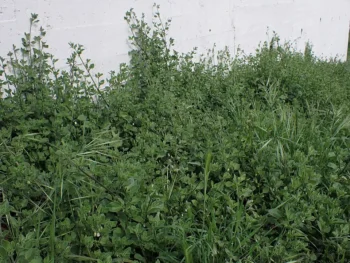
Lily of the valley vine is a perennial forb – basically a soft-stemmed plant without any woody growth above ground. It’s a sprawling, trailing plant that produces small white bell-shaped flowers that might remind you of its namesake, hence the common name. The plant belongs to the nightshade family and has small, oval-shaped leaves that create a delicate carpet as it spreads.
Where You’ll Find It Growing
Originally from South America (particularly Argentina and Uruguay), this plant has naturalized across a surprising range of North American locations. You can find it established in British Columbia, Arizona, California, Florida, Georgia, Louisiana, New Mexico, North Carolina, South Carolina, Texas, and Virginia. It’s what botanists call a non-native species that reproduces on its own in the wild without human help.
- Species observed
- No observations
Should You Plant Lily of the Valley Vine?
Here’s where things get interesting. While lily of the valley vine isn’t considered invasive or noxious, it’s definitely not native to North America. This means you’ll want to think carefully about whether it fits your gardening goals.
Reasons you might want to grow it:
- Low maintenance ground cover option
- Delicate white flowers add charm to containers
- Adaptable to various growing conditions
- Perennial nature means it comes back year after year
Reasons to consider alternatives:
- It’s not native, so it doesn’t support local ecosystems as well as indigenous plants
- Can spread readily, potentially beyond where you want it
- Limited wildlife benefits compared to native options
Growing Conditions and Care
If you decide to grow lily of the valley vine, you’ll find it’s pretty easygoing. It thrives in USDA hardiness zones 8-11, though it might act like an annual in colder areas. The plant adapts well to both full sun and partial shade conditions and isn’t particularly fussy about soil types as long as drainage is decent.
Basic care requirements:
- Well-draining soil (it’s not fond of soggy conditions)
- Full sun to partial shade
- Regular but not excessive watering
- Minimal fertilization needed
Design Ideas and Garden Role
Lily of the valley vine works well as a trailing plant in containers, where you can enjoy its cascading habit without worrying about it spreading too far. It can also serve as a ground cover in casual garden settings or climb with some support if you want vertical interest.
The plant’s delicate appearance makes it suitable for cottage gardens or informal landscapes where a naturalized look is desired.
Consider Native Alternatives
Before planting lily of the valley vine, consider exploring native ground covers and trailing plants that offer similar aesthetic appeal while supporting local wildlife. Native alternatives vary by region but often provide superior benefits for pollinators and other wildlife while being perfectly adapted to local growing conditions.
Your local native plant society or cooperative extension office can suggest beautiful native options that might work even better in your specific garden situation!
The Bottom Line
Lily of the valley vine is an adaptable, low-maintenance plant that can add trailing interest to your garden. While it’s not problematic enough to avoid entirely, its non-native status means it’s worth exploring native alternatives first. If you do choose to grow it, consider containing it in pots or defined garden areas where its spreading nature won’t become an issue.