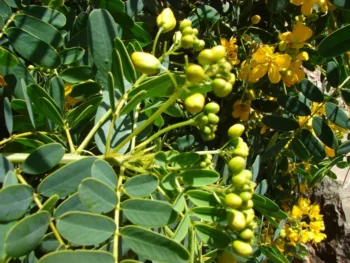
Limestone Senna: A Caribbean Native Worth Considering for Warm Climate Gardens
If you’re looking for a flowering shrub that can handle tough conditions while adding a splash of sunshine to your landscape, limestone senna might just catch your eye. This Caribbean native, scientifically known as Senna racemosa, brings the classic appeal of the Senna family to gardens in the warmest parts of North America.
What Is Limestone Senna?
Limestone senna is a perennial shrub that typically grows as a multi-stemmed woody plant, usually staying under 13 to 16 feet in height. Like other members of the Senna family, it produces cheerful yellow flowers arranged in attractive clusters called racemes. The common name gives us a helpful clue about where this plant feels most at home – areas with limestone soils and rocky conditions.
You might also see this plant listed under its botanical synonyms Cassia ekmaniana or Gaumerocassia ekmaniana in older gardening references, but Senna racemosa is the current accepted name.
Where Does It Come From?
This shrub is native to the Caribbean region, where it has adapted to thrive in limestone-rich soils and challenging growing conditions. Its natural habitat gives us excellent clues about how to grow it successfully in our own gardens.
Why Consider Limestone Senna for Your Garden?
Here are some reasons why this shrub might earn a spot in your landscape:
- Drought tolerance: Once established, limestone senna can handle dry conditions with minimal supplemental watering
- Pollinator magnet: The yellow flowers attract bees and other beneficial insects to your garden
- Low maintenance: This tough shrub doesn’t demand constant attention once it’s settled in
- Unique character: It brings a touch of Caribbean flair to subtropical and tropical landscapes
Growing Conditions and Care
Limestone senna is definitely a warm-climate plant, likely suitable for USDA hardiness zones 9b through 11. If you live in a cooler area, this probably isn’t the shrub for you – but don’t worry, there are plenty of native alternatives that might work better in your region!
For successful growing, limestone senna prefers:
- Full sun exposure: Give it plenty of bright, direct sunlight
- Well-draining soil: This is crucial – soggy soil will likely spell trouble for this plant
- Minimal water once established: Let it dry out between waterings
- Good air circulation: Avoid cramped, humid spots
Planting and Maintenance Tips
When planting limestone senna, choose your location carefully. Make sure the soil drains well – if water sits around the roots, you’re likely to run into problems. Plant in spring after any danger of frost has passed.
Once established, this shrub is fairly self-sufficient. You might want to do some light pruning after flowering to maintain shape, but don’t go overboard. These plants generally prefer a more natural growth habit.
A Word About Native Alternatives
While limestone senna can be a lovely addition to warm-climate gardens, it’s always worth considering what native plants might work in your specific area. Local natives will typically be better adapted to your particular conditions and provide more benefits to local wildlife. Check with your local native plant society or extension office to discover what beautiful native shrubs might thrive in your garden.
The Bottom Line
Limestone senna offers an interesting option for gardeners in tropical and subtropical areas who want a tough, drought-tolerant shrub with cheerful yellow flowers. While it may not be native to your specific region, it can still play a positive role in the right garden setting. Just remember to provide good drainage, plenty of sun, and resist the urge to overwater – this Caribbean native knows how to handle life on the dry side!