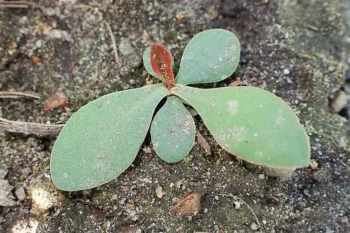
Limonium gerberi: The Mystery Plant That’s Hard to Pin Down
If you’ve stumbled across the name Limonium gerberi while researching plants for your garden, you’re probably scratching your head right about now. And honestly? You’re not alone. This particular plant species is something of an enigma in the gardening world, with very little reliable information available to help gardeners make informed decisions.
What We Know (And Don’t Know) About Limonium gerberi
Limonium gerberi belongs to the sea lavender family, but beyond that basic classification, concrete details become surprisingly scarce. While many plants in the Limonium genus are well-documented coastal natives with clear growing requirements and garden applications, L. gerberi appears to be either extremely rare, poorly studied, or possibly even a taxonomic question mark.
The plant does have a synonym – Limonium latifolium (Sm.) Kuntze – though this nomenclature is listed as illegitimate, which adds another layer of confusion to an already murky picture.
The Geographic Mystery
Unfortunately, we don’t have reliable information about where Limonium gerberi naturally occurs, making it impossible to determine its native status or provide specific regional growing advice. This lack of geographic data is unusual for most plant species and suggests limited documentation or study.
Should You Try to Grow It?
Here’s where things get tricky. Without knowing basic details like:
- Native range and habitat preferences
- Growth requirements and hardiness zones
- Invasive potential or conservation status
- Basic care needs and mature size
- Wildlife and pollinator benefits
It’s nearly impossible to recommend whether or how to grow this plant. Any attempt to cultivate L. gerberi would essentially be experimental gardening without a roadmap.
Better Alternatives in the Limonium Family
If you’re drawn to the idea of growing a sea lavender, consider these well-documented alternatives that offer similar aesthetic appeal with much clearer growing guidelines:
- Limonium carolinianum (Carolina sea lavender) – native to eastern North America
- Limonium californicum (California sea lavender) – native to the western coast
- Limonium nashii (Nash’s sea lavender) – native to southeastern coastal areas
These species offer the delicate, airy flowers and salt tolerance that make sea lavenders popular, plus you’ll actually be able to find growing information and possibly even plants or seeds from reputable sources.
The Bottom Line
While Limonium gerberi might sound intriguing, the lack of available information makes it a poor choice for most gardeners. Whether you’re planning a coastal garden, looking for drought-tolerant perennials, or hoping to support local pollinators, you’ll be much better served by choosing well-documented native plants with proven garden performance.
Sometimes the most responsible gardening advice is to acknowledge when we simply don’t know enough about a plant to recommend it. In the case of L. gerberi, that’s exactly where we find ourselves.