Limpograss: A Non-Native Solution for Wet Areas (But Consider These Native Alternatives First)
Ever find yourself staring at a soggy spot in your yard, wondering what on earth will actually grow there? Enter limpograss (Hemarthria altissima), a perennial grass that seems to shrug off wet feet like it’s no big deal. While this isn’t a native plant, it’s carved out a niche in certain American landscapes – though you might want to hear about some fantastic native alternatives before making your decision.
What Exactly Is Limpograss?
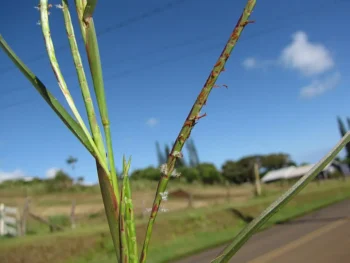
Limpograss is a low-growing, mat-forming perennial grass that originally hails from Africa and Asia. Despite its somewhat unfortunate common name (which has nothing to do with walking with a limp!), this graminoid – that’s botanist-speak for grass-like plant – has found its way into American landscapes primarily as a utility player rather than a star performer.
You might also see it listed under its scientific synonyms Manisuris altissima or Rottboellia altissima in older references, but Hemarthria altissima is the current accepted name.
Where Does Limpograss Grow?
In the United States, limpograss has established populations in Florida, Pennsylvania, and Texas – quite the geographic spread! As a non-native species that reproduces on its own in the wild, it’s proven it can handle diverse American climates, particularly in USDA hardiness zones 8-11.
- Species observed
- No observations
The Wet Spot Specialist
Here’s where limpograss really shines: it absolutely loves moisture. This grass has facultative wetland status across most regions, meaning it usually hangs out in wetlands but won’t turn its nose up at drier spots either. In Hawaii, it’s even more flexible, happily growing in both wet and dry conditions.
If you’ve got a perpetually soggy area where other grasses throw in the towel, limpograss might catch your eye. It forms dense, low-growing mats that can help prevent erosion – particularly useful along pond edges, drainage areas, or those spots where your downspouts create mini marshlands.
The Reality Check: Aesthetics and Function
Let’s be honest – limpograss isn’t going to win any beauty contests. It’s more of a workhorse than a show horse, providing functional ground coverage rather than ornamental appeal. The narrow grass blades create a dense mat, but don’t expect the lush, golf-course appearance of traditional lawn grasses.
As for wildlife benefits, grasses like limpograss are wind-pollinated, so they’re not exactly rolling out the red carpet for bees and butterflies. While they might provide some habitat structure, they’re not the pollinator magnets that native wildflowers are.
Growing Limpograss: If You Choose To
Should you decide limpograss fits your specific needs, here’s what you need to know:
- Moisture is key: This grass thrives with consistent moisture and can handle periodic flooding
- Sun requirements: Full sun to partial shade – it’s pretty flexible
- Soil tolerance: Adapts to various soil types as long as moisture needs are met
- Establishment: Can be grown from seed or plant divisions
- Maintenance: Once established, it’s fairly low-maintenance
But Wait – Consider These Native Alternatives!
Before you commit to limpograss, consider these native options that provide similar benefits while supporting local ecosystems:
- For wet areas: Native sedges like woolgrass (Scirpus cyperinus) or native rush species
- For erosion control: Native bunch grasses appropriate to your region
- For ground coverage: Regional native groundcovers that thrive in moist conditions
Native plants provide the same functional benefits while offering superior wildlife habitat and supporting local pollinators – something limpograss simply can’t match.
The Bottom Line
Limpograss fills a specific niche for challenging wet areas where erosion control is the primary goal. While it’s not invasive or harmful, it’s essentially an ecological blank slate – it won’t hurt your local environment, but it won’t help it much either.
If you’re dealing with a truly challenging wet spot where natives have failed, limpograss might be worth considering. But for most gardeners, exploring native alternatives first will give you better long-term results for both your landscape and local wildlife. After all, why settle for a plant that just survives when you could choose one that helps your local ecosystem thrive?