Linden Arrowwood: A Beautiful but Problematic Choice for Your Garden
If you’ve come across linden arrowwood (Viburnum dilatatum) at your local nursery, you might be tempted by its gorgeous spring flowers and brilliant fall berries. But before you dig that hole, there’s something important you need to know about this attractive shrub that might change your mind.
What is Linden Arrowwood?
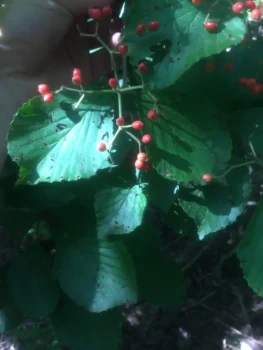
Linden arrowwood is a deciduous shrub that typically grows 6-10 feet tall and wide, though it can reach up to 16 feet under ideal conditions. This multi-stemmed woody perennial puts on quite a show throughout the growing season, with flat-topped clusters of creamy white flowers in late spring, followed by bright red berries that persist into winter.
Originally from East Asia, including China, Korea, and Japan, this viburnum species has made its way into American gardens and, unfortunately, into our wild spaces too.
Where You’ll Find It Growing
Currently, linden arrowwood has established itself across several eastern states, including Connecticut, Delaware, District of Columbia, Maryland, New Jersey, New York, Pennsylvania, and Virginia. What started as an ornamental garden plant has begun spreading beyond cultivation.
- Species observed
- No observations
The Problem: It’s More Than Just Pretty
Here’s where things get concerning. Linden arrowwood isn’t just a harmless garden plant—it’s been classified as invasive in Delaware and has the potential to cause ecological problems in other areas where it’s established. This shrub reproduces spontaneously in the wild without any human help and tends to persist and spread, potentially outcompeting our native plants.
When non-native plants establish themselves in natural areas, they can disrupt local ecosystems, reduce biodiversity, and create monocultures that don’t support native wildlife as effectively as indigenous plant communities.
Why You Should Skip This One
While linden arrowwood might seem like an attractive choice for your landscape, we recommend steering clear of this species. Here’s why:
- It’s classified as invasive in Delaware and likely problematic in other regions
- It can escape cultivation and establish in natural areas
- It may outcompete native plants that local wildlife depends on
- There are fantastic native alternatives that provide similar beauty
Better Native Alternatives
Instead of linden arrowwood, consider these native viburnum species that offer similar aesthetic appeal without the ecological concerns:
- American cranberrybush (Viburnum opulus var. americanum) – offers similar white flowers and red berries
- Nannyberry (Viburnum lentago) – beautiful fall color and wildlife-friendly berries
- Arrowwood viburnum (Viburnum dentatum) – excellent for naturalized areas and supports native wildlife
- Blackhaw (Viburnum prunifolium) – stunning fall color and great for woodland gardens
Growing Conditions (If You Already Have One)
If you already have linden arrowwood established in your garden, it’s adaptable to various conditions. It grows in USDA hardiness zones 5-8 and tolerates full sun to partial shade. The plant isn’t particularly fussy about soil type and is relatively low-maintenance once established.
However, we’d encourage you to consider replacing it with a native alternative over time, especially if you notice it producing berries that birds might spread to natural areas.
The Bottom Line
While linden arrowwood is undeniably attractive, its invasive tendencies make it a poor choice for responsible gardening. By choosing native alternatives, you’ll get similar beauty while supporting local ecosystems and wildlife. Your garden—and your local environment—will thank you for making the more sustainable choice.
Remember, every plant choice we make in our gardens has the potential to impact the broader landscape. Let’s choose wisely!