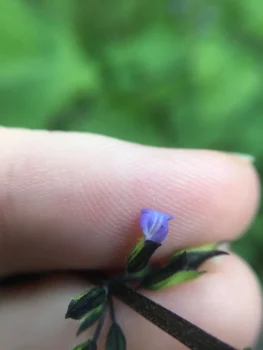
Lindenleaf Sage: A Lesser-Known Annual Salvia
If you’ve stumbled across the name lindenleaf sage (Salvia tiliifolia) in your plant research, you’ve discovered one of the more mysterious members of the vast Salvia family. This annual herb is quite the enigma in the gardening world – while it bears the beloved Salvia name, it’s not your typical garden-center find.
What Is Lindenleaf Sage?
Lindenleaf sage is an annual forb, meaning it completes its entire life cycle in just one growing season. As a forb, it’s a non-woody herbaceous plant that grows from the ground up each year without developing the thick, woody stems you’d see on shrubs or trees. The plant gets its common name from its leaves, which presumably resemble those of linden trees in shape.
Where Does It Come From?
Here’s where things get interesting – Salvia tiliifolia isn’t actually native to North America. It’s what botanists call a spontaneous introduction, meaning it somehow made its way here and now reproduces on its own in the wild without human intervention. Currently, you can find it growing in three states: Arizona, Massachusetts, and Texas. That’s quite a geographic spread for such an uncommon plant!
- Species observed
- No observations
Should You Grow Lindenleaf Sage?
Well, that’s the million-dollar question. Since this plant is non-native and information about its garden performance is scarce, most gardeners might want to consider other options. While it’s not currently listed as invasive or noxious, its ability to reproduce spontaneously in diverse climates (from the hot deserts of Arizona to the varied conditions of Massachusetts) suggests it’s quite adaptable.
Better Native Alternatives
If you’re drawn to the Salvia family, you’re in luck! North America boasts many spectacular native sages that are much better documented for garden use:
- Autumn Sage (Salvia greggii) – Perfect for hot, dry climates
- Scarlet Sage (Salvia coccinea) – Annual with brilliant red flowers
- Prairie Sage (Salvia azurea) – Stunning blue spikes in fall
- White Sage (Salvia apiana) – Aromatic and drought-tolerant
The Mystery Continues
Unfortunately, detailed growing information for Salvia tiliifolia is virtually non-existent in horticultural literature. We don’t know its preferred growing conditions, hardiness zones, mature size, or even what the flowers look like. This lack of information itself tells us something important – it’s likely not a plant that’s been widely cultivated or studied by gardeners.
The Bottom Line
While lindenleaf sage might intrigue botanical enthusiasts, practical gardeners will find much better options among our native Salvia species. These well-studied alternatives offer proven garden performance, documented wildlife benefits, and the satisfaction of supporting local ecosystems. Sometimes the most exciting plants are the ones we can actually grow successfully – and learn about along the way!
If you do happen to encounter Salvia tiliifolia growing wild, consider it a botanical curiosity and perhaps snap a photo to share with local botanists. But for your garden? There are so many wonderful native sages waiting to steal the show.