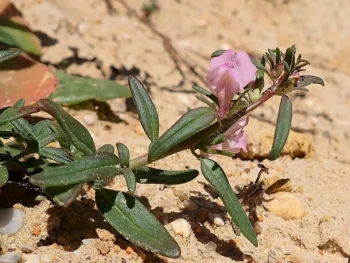
Linearleaf Snapdragon: A Delicate Annual with Old-World Charm
Meet the linearleaf snapdragon (Misopates orontium), a petite annual flower that brings a touch of Mediterranean charm to North American gardens. This dainty member of the snapdragon family might not be as showy as its larger cousins, but it has its own understated appeal that’s captured the hearts of cottage garden enthusiasts.
What Is Linearleaf Snapdragon?
Linearleaf snapdragon is an annual forb—essentially a soft-stemmed herbaceous plant that completes its entire life cycle in one growing season. You might also see it listed under its former botanical name, Antirrhinum orontium, in older gardening references. True to its common name, this plant sports narrow, linear leaves that give it a delicate, almost grass-like appearance when not in bloom.
As a non-native species originally from the Mediterranean region, linearleaf snapdragon has made itself at home across much of North America. It reproduces readily on its own and has established populations from coast to coast, thriving in a surprisingly wide range of climates.
Where You’ll Find It Growing
This adaptable little plant has spread across an impressive geographic range, establishing itself in Alaska, California, Ontario, Connecticut, Quebec, Florida, Hawaii, Idaho, Illinois, Kentucky, Maine, Michigan, New Jersey, New York, Ohio, Oregon, Pennsylvania, Utah, Virginia, and Washington. That’s quite a travel résumé for a plant that started out in Southern Europe!
- Species observed
- No observations
Garden Appeal and Characteristics
Don’t expect dramatic, garden-center-sized snapdragon blooms from this species. Linearleaf snapdragon produces small, delicate flowers in shades of pink to purple that are about half the size of traditional snapdragons. The flowers have that classic snapdragon shape—tubular with a distinctive mouth that opens when gently squeezed.
The plant typically grows 6-18 inches tall with a narrow, upright habit. Its linear leaves are arranged alternately along thin stems, creating an almost wispy appearance that works beautifully as a filler plant in mixed plantings.
Growing Conditions and Care
One of the best things about linearleaf snapdragon is how easy-going it is. This hardy annual thrives in USDA zones 3-10, making it suitable for most North American gardens. Here’s what it needs to be happy:
- Sunlight: Full sun to partial shade
- Soil: Well-draining soil; surprisingly tolerant of poor, sandy soils
- Water: Drought tolerant once established, but appreciates occasional watering
- Maintenance: Minimal care required—this is a plant it and forget it type of flower
How to Grow Linearleaf Snapdragon
Growing linearleaf snapdragon is refreshingly simple. Direct seed in your garden in early spring or fall—the seeds are tiny, so just scatter them on prepared soil and barely cover them. They’ll germinate when conditions are right and often self-seed for future seasons.
Because it’s an annual, you won’t need to worry about pruning or winter protection. The plants will bloom, set seed, and complete their cycle all in one growing season. Many gardeners enjoy letting them self-seed naturally for a more naturalized look.
Garden Design and Landscape Use
Linearleaf snapdragon shines in cottage gardens, wildflower meadows, and naturalized landscapes where its delicate texture can complement bolder flowers. It’s particularly lovely when allowed to weave through other plants or fill in gaps in perennial borders.
The small flowers attract beneficial insects, including small native bees, making it a decent choice for pollinator-friendly gardens, though native alternatives would provide even better ecological benefits.
Should You Plant It?
While linearleaf snapdragon isn’t invasive or problematic, it’s worth considering native alternatives that would provide similar aesthetic appeal while supporting local ecosystems more effectively. Some wonderful native options include:
- Wild bergamot (Monarda fistulosa) for purple flowers
- Purple prairie clover (Dalea purpurea) for delicate pink-purple blooms
- Blue-eyed grass (Sisyrinchium species) for similar narrow foliage
That said, if you already have linearleaf snapdragon growing in your garden or you’re particularly drawn to its Old-World charm, there’s no harm in enjoying it. Just remember that choosing native plants whenever possible helps support local wildlife and maintains the natural balance of your regional ecosystem.
The Bottom Line
Linearleaf snapdragon is a charming, low-maintenance annual that brings subtle beauty to gardens with minimal effort. While it may not be native to North America, it’s not causing ecological problems either. Whether you choose to grow it or opt for native alternatives, the most important thing is creating a garden space that brings you joy while being mindful of your local environment.