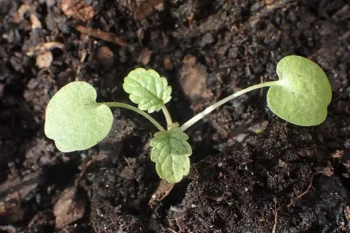
Lion’s Tail (Chaiturus): A Lesser-Known Biennial Worth Understanding
If you’ve stumbled across the name lion’s tail in your gardening research, you might be scratching your head about Chaiturus—and honestly, you’re not alone! This relatively obscure biennial forb has managed to fly under the radar of most gardening conversations, despite establishing itself across nearly two dozen states in the eastern and central United States.
What Exactly Is Chaiturus?
Chaiturus is a biennial forb, which is just a fancy way of saying it’s a non-woody herbaceous plant that completes its life cycle over two years. In its first year, it focuses on establishing roots and foliage, then flowers and sets seed in its second year before dying. As a forb, it lacks the woody stems of shrubs and trees, instead producing soft, green stems that die back each season.
The Non-Native Reality
Here’s where things get interesting (or concerning, depending on your perspective): Chaiturus isn’t a native plant to North America. It’s what botanists call an introduced species that has managed to establish itself and reproduce in the wild without human assistance. This means it’s essentially made itself at home in our ecosystems, whether we invited it or not.
Where You’ll Find It
Chaiturus has spread across a significant portion of the eastern and central United States, popping up in Delaware, District of Columbia, Illinois, Indiana, Iowa, Kansas, Kentucky, Maryland, Michigan, Minnesota, Missouri, Nebraska, New Jersey, Ohio, Pennsylvania, South Dakota, Virginia, West Virginia, and Wisconsin. That’s quite the geographic footprint for a plant most gardeners have never heard of!
- Species observed
- No observations
The Information Gap
Here’s where we hit a bit of a wall—and it’s honestly part of what makes Chaiturus so intriguing. Despite its widespread presence, there’s surprisingly little detailed information available about this plant’s specific characteristics, growing requirements, or ecological impact. We don’t know if it’s considered invasive, beneficial to pollinators, or what specific growing conditions it prefers. It’s like the botanical equivalent of that neighbor who’s lived on your street for years but you still don’t really know much about them.
Should You Plant It?
Given the lack of information about Chaiturus and its non-native status, most gardening experts would suggest looking elsewhere for your landscape needs. While we don’t have evidence that it’s actively harmful or invasive, we also don’t know enough about its ecological role or benefits to recommend it.
Better Native Alternatives
Instead of taking a chance on this mysterious lion’s tail, consider these native alternatives that offer similar biennial growing patterns and forb characteristics:
- Wild Bergamot (Monarda fistulosa) – A native mint family member that’s fantastic for pollinators
- Purple Coneflower (Echinacea purpurea) – Though technically a short-lived perennial, it often behaves like a biennial and offers stunning flowers
- Wild Columbine (Aquilegia canadensis) – A charming native biennial with unique, spurred flowers
- Black-eyed Susan (Rudbeckia species) – Depending on the species, these can be annual, biennial, or perennial native options
The Bottom Line
Chaiturus represents one of those botanical puzzles that remind us how much we still don’t know about the plant world around us. While its common name lion’s tail might sound appealing, the combination of its non-native status and the lack of clear information about its benefits makes it a questionable choice for intentional cultivation.
If you’re looking to create habitat, support local ecosystems, or simply grow something interesting in your garden, you’ll be much better served by choosing well-documented native plants that we know will benefit local wildlife and fit well into regional ecosystems. Sometimes the most responsible gardening choice is simply saying thanks, but no thanks to the unknown quantities and sticking with the plants we know will do good work in our landscapes.