Lipstick Tree: The Colorful Non-Native That Brings Tropical Flair to Your Garden
Ever wondered where that vibrant red-orange color in your lipstick comes from? Meet the lipstick tree (Bixa orellana), a fascinating shrub that’s been coloring the world—literally—for centuries. While this tropical beauty isn’t native to the United States, it has found its way into American gardens, particularly in warmer regions where its stunning seed pods and delicate flowers can truly shine.
What Exactly Is a Lipstick Tree?
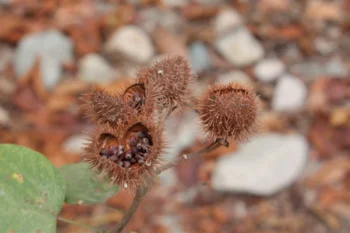
The lipstick tree is a perennial, multi-stemmed woody shrub that typically grows 13 to 16 feet tall, though it can sometimes reach greater heights or develop a single trunk depending on growing conditions. Don’t let the name fool you—this plant produces much more than just cosmetic ingredients. Its heart-shaped, bright red seed pods covered in soft spines are absolute showstoppers in any garden setting.
Where Does It Come From and Where Can You Find It?
Originally native to tropical regions of the Americas, particularly Central America and northern South America, Bixa orellana has traveled far from home. In the United States, you’ll find this non-native species established in Hawaii, Puerto Rico, the U.S. Virgin Islands, Guam, Palau, and even the District of Columbia. It reproduces on its own in these areas and has naturalized successfully in the wild.
- Species observed
- No observations
The Visual Appeal: Why Gardeners Fall for This Tree
The lipstick tree offers a delightful progression of colors throughout the growing season. In spring and summer, it produces clusters of beautiful pink or white flowers that attract bees and other pollinators to your garden. But the real magic happens when those distinctive seed pods develop—bright red, heart-shaped capsules covered in harmless soft spines that split open to reveal seeds coated in that famous red-orange substance called annatto.
Growing Conditions and Care
If you’re thinking about adding a lipstick tree to your landscape, here’s what you need to know:
- Climate requirements: Hardy in USDA zones 10-12 only—this plant absolutely cannot tolerate frost
- Sunlight: Thrives in full sun to partial shade
- Soil: Prefers well-draining soil; soggy conditions are a no-go
- Water: Regular watering during dry periods, but avoid overwatering
- Wetland tolerance: Generally prefers upland conditions, though it may occasionally tolerate some moisture in Hawaii
Is This Tree Right for Your Garden?
The lipstick tree works beautifully as a specimen plant in tropical and subtropical gardens, botanical collections, or ethnobotanical displays. It’s particularly suited for gardeners who appreciate plants with cultural and historical significance—after all, indigenous peoples have used annatto for food coloring, body paint, and medicinal purposes for thousands of years.
However, keep in mind that this is a non-native species. While there’s no indication that Bixa orellana is invasive or harmful to local ecosystems, many gardeners prefer to focus on native alternatives that better support local wildlife and maintain ecological balance.
Container Growing for Cooler Climates
Live in a cooler area but still want to enjoy this tropical beauty? Consider growing your lipstick tree in a large container that can be moved indoors during cold months. This allows gardeners in zones 8-9 to enjoy the plant’s ornamental qualities while protecting it from frost damage.
Native Alternatives to Consider
If you love the idea of colorful seed pods and pollinator-friendly flowers but prefer native options, consider researching native shrubs and small trees in your area that offer similar ornamental qualities. Your local native plant society or extension office can provide excellent recommendations for species that will thrive in your specific region while supporting local ecosystems.
The Bottom Line
The lipstick tree is undeniably beautiful and culturally fascinating, making it an interesting addition to appropriate garden settings. While it’s not native to the United States, it doesn’t appear to pose ecological threats in the areas where it’s established. If you garden in zones 10-12 and appreciate unique ornamental plants with historical significance, Bixa orellana might be worth considering—just remember to balance non-native choices with plenty of native plants that support your local wildlife community.