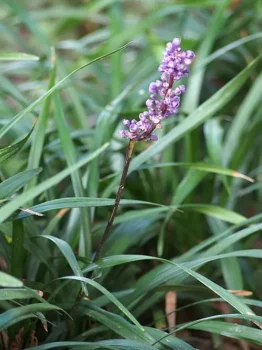
Liriope exiliflora: A Botanical Mystery Worth Investigating
If you’ve stumbled across the name Liriope exiliflora in your gardening research, you’re not alone in wondering what exactly this plant is. This particular species name presents quite the botanical puzzle, and as gardeners, it’s important to understand what we’re dealing with before adding any plant to our landscapes.
The Mystery of Liriope exiliflora
Liriope exiliflora is a name that appears in some botanical references, often listed as a synonym for Liriope muscari var. exiliflora. However, finding detailed, reliable information specifically about this plant proves surprisingly challenging. In the world of plant taxonomy, this often signals that we’re dealing with either a rarely documented species or a name that may not be widely recognized in current botanical literature.
What We Know (And Don’t Know)
Unfortunately, specific information about Liriope exiliflora’s native range, growing conditions, and garden characteristics is largely unavailable in standard botanical resources. This lack of documentation raises several important questions for gardeners:
- Is this a valid, distinct species or a taxonomic synonym?
- Where does it naturally occur?
- What are its specific growing requirements?
- Is it readily available in the nursery trade?
Should You Plant It?
Here’s where things get tricky for the conscientious gardener. Without clear information about this plant’s native status, invasive potential, or even its basic growing requirements, it’s difficult to make an informed decision about whether to include it in your landscape.
If you’ve encountered Liriope exiliflora for sale or mentioned in planting recommendations, I’d suggest taking a step back and asking some important questions:
- Can the source provide specific information about the plant’s origin and characteristics?
- Is there photographic documentation showing the plant’s distinct features?
- Has the plant been properly identified by a qualified botanist?
A Better Approach: Well-Documented Native Alternatives
Rather than taking a chance on a poorly documented plant, consider exploring well-established native alternatives that provide similar aesthetic appeal and ecological benefits. Depending on your region, you might investigate:
- Native sedges and rushes for grass-like texture
- Regional native perennials with similar foliage characteristics
- Well-documented Liriope species that are known to be non-invasive in your area
The Importance of Plant Documentation
This situation with Liriope exiliflora highlights why proper plant identification and documentation matter so much in gardening. When we choose plants for our landscapes, we’re making decisions that can impact local ecosystems for years to come. Plants with unclear identities or unknown origins can pose risks we simply can’t assess.
Moving Forward
If you’re determined to learn more about Liriope exiliflora, consider reaching out to:
- University extension offices with expertise in plant identification
- Local native plant societies
- Botanical gardens with research collections
- Professional botanists or taxonomists
Remember, the best garden plants are those we understand well – their needs, their benefits, and their potential impacts. When in doubt, choose the well-documented native species that will provide beauty, ecological value, and peace of mind in your landscape.
Sometimes the most valuable gardening lesson is knowing when to say I need more information rather than rushing into planting something we don’t fully understand. Your garden – and your local ecosystem – will thank you for taking the time to make informed choices.