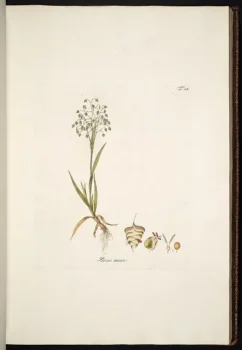
Little Quaking Grass: The Delicate Dancer of the Garden
If you’ve ever wanted to add a touch of whimsy and movement to your garden, little quaking grass (Briza minor) might just be the plant you’re looking for. This charming annual grass gets its name from the way its delicate, heart-shaped seed heads tremble and dance with the slightest breeze, creating a mesmerizing display that catches both eye and imagination.
What Exactly is Little Quaking Grass?
Little quaking grass is a non-native annual grass that originally hails from the Mediterranean region. While it’s not indigenous to North America, it has naturalized across much of the continent and now grows wild from coast to coast. You’ll find this adaptable little grass established in states and provinces from Alberta and British Columbia down to Florida and Hawaii, thriving in diverse climates and conditions.
- Species observed
- No observations
Despite its widespread presence, little quaking grass isn’t considered invasive or problematic – it’s simply found its niche and settled in without causing major ecological disruptions.
The Appeal: Why Gardeners Love This Grass
The real magic of little quaking grass lies in its seed heads. These tiny, heart-shaped pendants dangle from slender stems like nature’s own wind chimes, creating constant, gentle movement that adds life and animation to static garden beds. The plant typically grows 6 to 24 inches tall with a spread of 6 to 12 inches, making it perfect for front-of-border plantings or as a filler in mixed containers.
As a fast-growing annual, little quaking grass provides quick gratification for gardeners who want near-instant results. Its fine texture contrasts beautifully with broader-leafed plants, and the seed heads are excellent for cut flower arrangements – both fresh and dried.
Where Does It Fit in Your Garden?
Little quaking grass works wonderfully in several garden styles:
- Cottage gardens, where its informal charm complements other relaxed plantings
- Meadow or prairie-style gardens for naturalistic appeal
- Cut flower gardens, as the seed heads make lovely additions to bouquets
- Mixed borders, where it provides textural interest and movement
- Container gardens as a soft, flowing element
Growing Conditions and Care
One of little quaking grass’s biggest selling points is its easy-going nature. This adaptable plant thrives in full sun to partial shade and isn’t particularly fussy about soil types, though it does prefer well-draining conditions. Once established, it’s quite drought tolerant, making it a good choice for low-maintenance gardens.
The grass grows well across USDA hardiness zones 2-10, though as an annual, it completes its entire life cycle in one growing season regardless of your zone. Its wetland status varies by region – it can handle both moist and dry conditions, making it remarkably versatile.
Planting and Care Tips
Growing little quaking grass is refreshingly straightforward:
- Sow seeds directly in the garden in spring after the last frost
- Barely cover seeds with soil – they need light to germinate
- Keep soil moist until germination occurs (usually within 1-2 weeks)
- Once established, water sparingly – this grass actually prefers drier conditions
- Deadhead spent flowers if you want to prevent self-seeding, or let them go to seed for a natural, meadow-like effect
Be aware that little quaking grass self-seeds readily, so it may pop up in unexpected places the following year. Most gardeners consider this a feature rather than a bug, but if you prefer more control, simply remove seed heads before they mature.
A Note on Native Alternatives
While little quaking grass is a delightful garden addition, gardeners interested in supporting native ecosystems might consider native grass alternatives that provide similar aesthetic appeal. Depending on your region, native bunch grasses or sedges can offer comparable texture and movement while supporting local wildlife and pollinators more effectively.
The Bottom Line
Little quaking grass offers gardeners an easy way to add movement, texture, and charm to their landscapes. While it may not be native, its gentle nature and ornamental value make it a worthwhile consideration for gardeners seeking something a little different. Just remember to enjoy the dance – after all, that’s what this delightful little grass does best.